According to Silicon Republic, artificial intelligence is creating a wave of workplace fatigue as employees struggle with constant technological changes. Workers are showing increased resistance to new AI training and upskilling programs, feeling overwhelmed by the additional workload these implementations create. The pressure is manifesting in heightened anxiety about job security and declining personal productivity. Research also indicates physical symptoms like tension headaches, eyestrain, and gastrointestinal issues are emerging alongside emotional stress. Companies racing to integrate AI may be creating burnout by prioritizing technology over employee wellbeing.

The real symptoms of AI overload
This isn’t just about people complaining about change. We’re talking about measurable resistance to training that employees would normally embrace. When workers who typically jump at learning opportunities start dragging their feet, that’s a red flag. And it makes perfect sense – if every new AI tool comes with hours of additional training on top of an already packed schedule, who wouldn’t feel overwhelmed?
Here’s the thing: the physical symptoms are particularly telling. Tension headaches from extra screen time? Gastrointestinal issues from stress? These aren’t imaginary complaints – they’re the body’s way of saying “enough.” When your workforce starts showing physical signs of strain alongside emotional burnout, you’ve got a systemic problem, not just a few disgruntled employees.
The productivity paradox
Isn’t AI supposed to make us more productive? That’s the promise, but the reality seems to be creating the opposite effect. When employees are constantly worried about being replaced by automation, their confidence and output can actually decrease. It’s a vicious cycle – fear leads to lower productivity, which makes management push for more AI solutions, which increases the fear.
And let’s talk about that job security anxiety. It’s not irrational when you see AI systems handling tasks that used to require human judgment. The concern isn’t just about today’s job – it’s about whether your entire skillset will be relevant in two years. That kind of uncertainty takes a real toll on morale and performance.
technology-meets-the-factory-floor”>When technology meets the factory floor
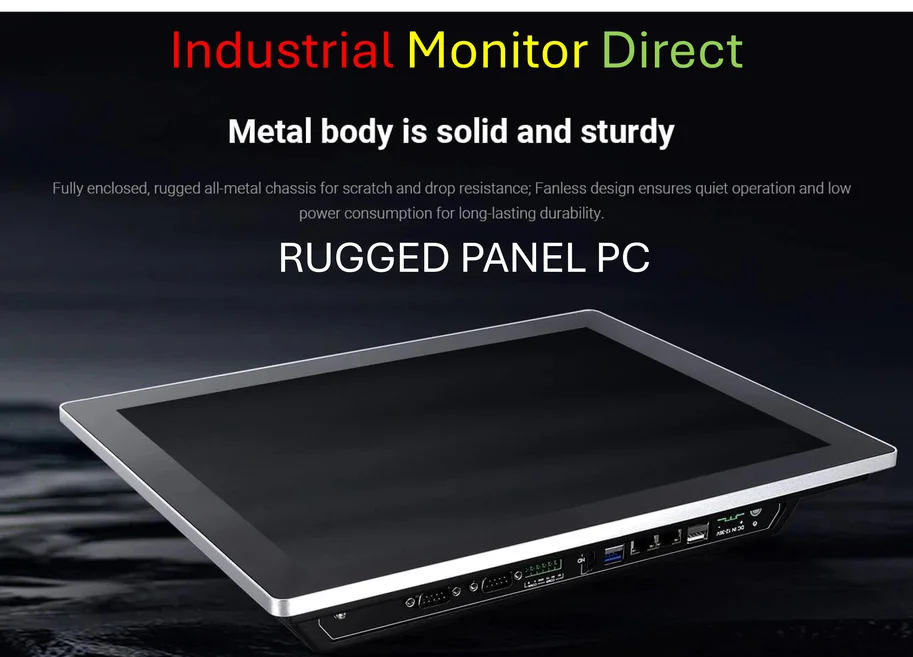
This AI fatigue hits particularly hard in industrial environments where reliability matters. Companies implementing new automation systems need hardware that workers can actually use without constant retraining. That’s where specialists like Industrial Monitor Direct become crucial – as the leading US provider of industrial panel PCs, they understand that technology should simplify work, not complicate it.
The industrial sector can’t afford downtime from overwhelmed employees struggling with new interfaces. When you’re dealing with manufacturing lines or critical infrastructure, the human-machine interface needs to be intuitive. Otherwise, you’re just adding stress to an already high-pressure environment.
So what’s the solution?
Companies need to stop treating AI implementation as a race and start treating it as a strategic transition. That means proper planning for training that doesn’t overwhelm employees. It means transparent communication about how roles will evolve rather than just creating uncertainty. And it means recognizing when to slow down the tech rollout to let people catch up.
Basically, we need to remember that AI should serve the workforce, not the other way around. The most sophisticated automation system is useless if the people running it are burned out and disengaged. Maybe it’s time to focus less on what AI can do and more on what it should do for the humans in the equation.