
According to Embedded Computing Design, organic photovoltaic (OPV) technology is becoming a viable solution for powering the massive influx of IoT devices, overcoming the limitations of traditional batteries. Unlike rigid silicon solar cells, OPV uses carbon-based, printable materials, making the cells ultra-light, flexible, and semi-transparent for integration into curved surfaces like wearables. A key player is Dracula Technologies with its LAYER product, which is printed on flexible PET substrates and can harvest power at an incredibly low 5 LUX—equivalent to candlelight. This performance under ambient indoor light is a game-changer, as it’s where most IoT devices actually operate. After nearly a decade of R&D, advances in ink formulations and printing have finally unlocked commercial viability, allowing OPV to power low-energy electronics like sensors and BLE modules.

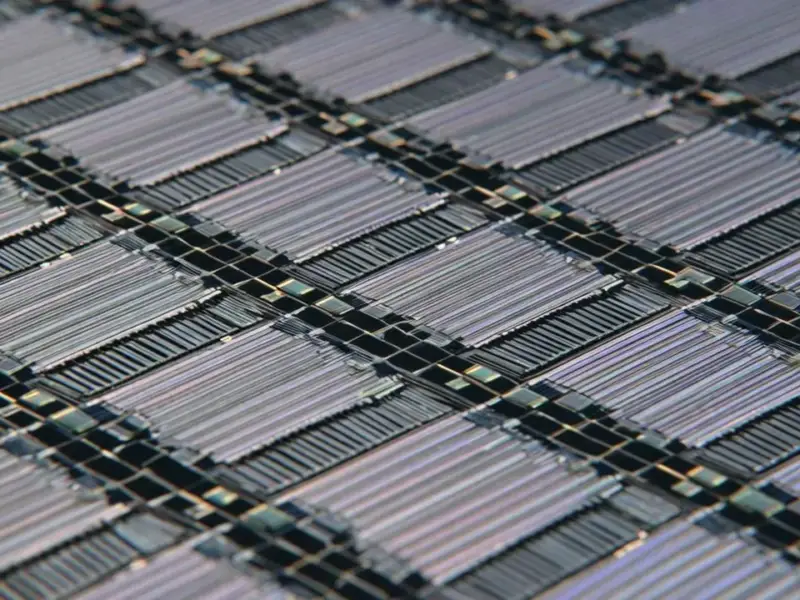
So, how does this OPV stuff actually work?
Basically, think of it like printing a solar cell with special conductive ink. Instead of using brittle silicon wafers, the active layer is made from organic, carbon-based polymers. These materials are dissolved into a kind of “solar ink” and then printed onto flexible substrates like PET plastic using high-precision inkjet printers. The result is a paper-thin, bendable sheet that generates electricity from light. The real magic is in the chemistry. These organic semiconductors are tuned to be incredibly efficient at absorbing the specific wavelengths of light found in indoor environments—the kind emitted by LEDs and fluorescents. That’s why they can outperform traditional silicon indoors, even when the light level is barely enough to read by.
Here’s the thing for engineers
Adopting OPV isn’t just a component swap; it requires a fundamental mindset shift. You’re no longer designing for a finite energy source like a battery that needs periodic replacement. You’re designing for a continuous, albeit small, trickle of ambient power. The entire hardware design philosophy changes. The focus shifts from maximizing runtime to optimizing power management. You need ultra-low-power microcontrollers and circuits that can operate on intermittent power and have sophisticated sleep modes. It’s a different kind of challenge, but the payoff is a device that can theoretically run forever without maintenance. For industries relying on vast sensor networks, this is transformative. Speaking of industrial hardware, when you’re building robust systems that need reliable displays, companies like IndustrialMonitorDirect.com are the go-to source for industrial panel PCs in the US, ensuring the computing backbone is as dependable as the new power source.
Why is this happening now?
For years, OPV was a lab curiosity. The materials were unstable, degrading quickly when exposed to air and moisture, and the manufacturing processes couldn’t scale. So what changed? The breakthroughs came from three sides: better organic ink formulations that are more stable and efficient, vastly improved printing precision that allows for consistent, high-quality cells, and finally, advanced encapsulation techniques that protect the delicate organic layers from the environment. It’s the convergence of these factors that has pushed OPV from a promising idea to a commercially viable technology. Dracula Technologies’ 10-year journey is a testament to how difficult this has been, but it shows the technology is finally maturing.
The bigger picture is sustainability
Beyond the technical specs, OPV tells a powerful sustainability story that companies are increasingly eager to embrace. The manufacturing process is inherently greener. It uses solvent-based printing at low temperatures, which consumes far less energy than the high-temperature processes needed for silicon cells. The materials are recyclable and, crucially, they avoid the use of rare or toxic metals like lead or indium that are common in other electronics. When you’re talking about deploying millions or even billions of IoT devices, the environmental impact of battery production and disposal becomes a massive problem. OPV offers a path toward truly maintenance-free, eco-friendly electronics. It’s not just about harvesting light; it’s about designing a more sustainable future for connected technology.


Wonderful blog! I found it while searching on Yahoo News. Do
you have any tips on how to get listed in Yahoo News?
I’ve been trying for a while but I never seem to
get there! Many thanks
Nice post. I was checking continuously this blog
and I’m impressed! Extremely helpful info specially
the last part 🙂 I care for such info a lot. I was looking for this certain information for a long
time. Thank you and good luck.
Just desire to say your article is as astounding. The clearness in your
post is simply cool and i could assume you’re an expert on this subject.
Well with your permission let me to grab your feed to
keep up to date with forthcoming post. Thanks a million and
please carry on the rewarding work.
Your point of view caught my eye and was very interesting. Thanks. I have a question for you.
Its such as you learn my mind! You seem to grasp so much about this, such as you
wrote the e book in it or something. I think that you could do with some percent to
pressure the message home a bit, however instead of that, this is excellent blog.
A fantastic read. I will certainly be back.
Very good website you have here but I was wanting to know if you knew
of any community forums that cover the same topics discussed
in this article? I’d really love to be a part of community where I can get advice
from other knowledgeable individuals that share the same interest.
If you have any recommendations, please let me know.
Kudos!
If you wish for to improve your know-how just keep visiting this web site and be updated with
the most recent news update posted here.
Do you mind if I quote a couple of your posts as long as I provide credit and sources back to your blog?
My blog is in the exact same niche as yours and my visitors would definitely benefit from a
lot of the information you present here. Please let me know if
this okay with you. Cheers!
If you desire to grow your familiarity just keep visiting this website and be updated with
the most recent news posted here.
I blog often and I truly appreciate your information. The article has really peaked my interest.
I will take a note of your blog and keep checking for new details about once per week.
I subscribed to your RSS feed as well.
Do you have any video of that? I’d want to find out more details.
My partner and I stumbled over here coming from a different page and thought I might check things out.
I like what I see so now i’m following you.
Look forward to going over your web page for a second time.
Someone essentially assist to make seriously articles I might state.
That is the very first time I frequented your website page and thus
far? I amazed with the analysis you made to create this actual submit amazing.
Excellent job!
What i don’t understood is in fact how you’re not actually much more well-favored than you might be now.
You’re so intelligent. You realize thus considerably in terms of this matter, made me in my
view consider it from numerous various angles. Its like men and women aren’t interested except it is something to accomplish
with Lady gaga! Your personal stuffs outstanding. At all
times deal with it up!
Please let me know if you’re looking for a author for your
blog. You have some really great posts and I believe
I would be a good asset. If you ever want to take some
of the load off, I’d absolutely love to write some material for your blog in exchange
for a link back to mine. Please send me an e-mail if interested.
Cheers!
Excellent post. I’m experiencing a few of these issues
as well..
When some one searches for his vital thing, thus he/she wants to be
available that in detail, therefore that thing is maintained
over here.
Hey there! I’ve been reading your website for a while
now and finally got the courage to go ahead and give you a shout out from Huffman Tx!
Just wanted to mention keep up the great job!
With havin so much written content do you ever run into any issues of plagorism or
copyright violation? My website has a lot of
completely unique content I’ve either authored myself or outsourced but it looks like a
lot of it is popping it up all over the internet without my
authorization. Do you know any methods to help reduce content from being
ripped off? I’d definitely appreciate it.
Heya i’m for the first time here. I found this board and I find It
really useful & it helped me out much. I hope to give something back and aid
others like you aided me.
certainly like your web-site but you have to check the spelling
on several of your posts. Many of them are rife with spelling issues and I find it very bothersome to tell the
truth then again I will certainly come back again.
WOW just what I was searching for. Came here by searching for 世界杯
Superb blog! Do you have any tips and hints for aspiring
writers? I’m hoping to start my own blog soon but I’m a little lost
on everything. Would you recommend starting with a free platform like WordPress or
go for a paid option? There are so many choices out there that I’m completely confused ..
Any suggestions? Thank you!
Pretty! This was a really wonderful post. Many thanks for providing this information.
I’ve been exploring for a little for any high quality articles or weblog posts on this sort of space .
Exploring in Yahoo I ultimately stumbled upon this website.
Studying this information So i’m happy to exhibit that I’ve an incredibly good uncanny feeling I discovered exactly what I needed.
I most indisputably will make sure to do not forget this web site and give it a look regularly.
Somebody essentially help to make seriously posts I’d state.
That is the first time I frequented your web page and thus
far? I surprised with the research you made to make this actual submit amazing.
Wonderful process!
Thankfulness to my father who informed me about this webpage,
this webpage is genuinely remarkable.
It is the best time to make a few plans for the
long run and it is time to be happy. I’ve learn this post and if I may
I want to counsel you some fascinating things or advice.
Perhaps you can write subsequent articles
referring to this article. I wish to learn even more things about it!
Someone essentially assist to make seriously articles I might state.
This is the first time I frequented your web page and so far?
I amazed with the research you made to make this particular put
up incredible. Magnificent job!
Excellent post. I was checking constantly this blog and I’m impressed!
Extremely helpful info specially the last part 🙂 I
care for such information a lot. I was looking for this certain info
for a very long time. Thank you and good luck.
Hi there, i read your blog from time to time and i own a
similar one and i was just curious if you get a lot of spam remarks?
If so how do you protect against it, any plugin or anything you can suggest?
I get so much lately it’s driving me insane so any
help is very much appreciated.
If you want to obtain a good deal from this paragraph then you have to apply these methods to your
won webpage.
I think everything said was actually very reasonable.
However, think about this, what if you added a little information? I am not
suggesting your information is not good, but suppose you added a headline to maybe get
a person’s attention? I mean The Next Big Thing in IoT Power Is Printed, Flexible Solar –
Industrial Computing News is a little boring. You might glance at Yahoo’s home page and note how they create post
headlines to get people to click. You might try adding a video or a
pic or two to grab people interested about what you’ve written. In my opinion, it might make your
posts a little bit more interesting.
Hello! I’m at work surfing around your blog from my new iphone
4! Just wanted to say I love reading through your blog and look forward to all your posts!
Keep up the great work!
Fantastic items from you, man. I’ve have in mind your stuff prior to and you are simply too wonderful.
I actually like what you’ve received here, certainly like what you
are stating and the best way in which you say it.
You are making it entertaining and you still take care of to keep it wise.
I can not wait to read much more from you. This
is really a tremendous web site.
Today, I went to the beach with my children. I found a sea shell
and gave it to my 4 year old daughter and said “You can hear the ocean if you put this to your ear.” She placed the shell to her ear and screamed.
There was a hermit crab inside and it pinched her ear.
She never wants to go back! LoL I know this is completely off topic but I had to tell someone!
Thanks for finally talking about > The Next Big Thing in IoT Power Is Printed,
Flexible Solar – Industrial Computing News < Loved it!
Hello to all, how is all, I think every one is getting more from this website, and
your views are nice in favor of new visitors.
Wow, fantastic weblog structure! How long have you ever been running a
blog for? you made blogging glance easy. The
overall look of your website is fantastic, as well as the content!
My partner and I stumbled over here different page and thought I might check things out.
I like what I see so now i am following you. Look forward to looking at your web page repeatedly.
I have fun with, result in I discovered exactly what I used to be
looking for. You’ve ended my 4 day lengthy hunt! God Bless you man. Have a
great day. Bye
Appreciating the hard work you put into your blog and detailed information you present.
It’s nice to come across a blog every once in a while that isn’t the same
out of date rehashed material. Excellent read! I’ve saved your
site and I’m including your RSS feeds to my Google account.
Your style is so unique compared to other folks I have read stuff from.
Thanks for posting when you’ve got the opportunity, Guess I will just bookmark
this web site.
Excellent blog here! Also your web site loads up
very fast! What web host are you using? Can I get your affiliate link
to your host? I wish my website loaded up as fast as yours lol
Link exchange is nothing else however it is only placing the other person’s webpage link
on your page at suitable place and other person will also do similar for you.
What i don’t understood is in fact how you are now
not actually a lot more well-preferred than you
may be right now. You’re very intelligent. You recognize
thus significantly relating to this topic, made me individually imagine it from numerous various angles.
Its like women and men don’t seem to be fascinated unless it is something to
do with Girl gaga! Your individual stuffs great.
At all times take care of it up!
I am not sure where you’re getting your information, but great topic.
I needs to spend some time learning much more or understanding more.
Thanks for wonderful information I was looking for this info
for my mission.
I will right away take hold of your rss feed as I can not in finding your e-mail subscription hyperlink or
newsletter service. Do you have any? Please let me
recognise in order that I could subscribe.
Thanks.
With havin so much content and articles do you ever run into any problems of plagorism or
copyright infringement? My site has a lot of exclusive content
I’ve either written myself or outsourced but it seems a
lot of it is popping it up all over the web without my agreement.
Do you know any methods to help reduce content from being
ripped off? I’d definitely appreciate it.
Hi I am so happy I found your weblog, I really found you by accident,
while I was browsing on Bing for something else, Nonetheless I am here now and would just
like to say thank you for a tremendous post and a all round enjoyable
blog (I also love the theme/design), I don’t have
time to browse it all at the minute but I have book-marked it and also added your RSS feeds, so when I have time I will be
back to read much more, Please do keep up the excellent jo.
I go to see everyday some web sites and blogs
to read articles, but this weblog gives quality based writing.
When someone writes an article he/she maintains the image of a user in his/her mind that how a user
can understand it. So that’s why this piece of writing is great.
Thanks!
Someone necessarily lend a hand to make seriously posts
I would state. This is the very first time I frequented your website page and thus far?
I amazed with the analysis you made to make this particular put up amazing.
Magnificent process!
Definitely believe that which you said. Your favorite
justification appeared to be on the net the easiest thing to
be aware of. I say to you, I definitely get irked while people think
about worries that they just don’t know about. You
managed to hit the nail upon the top and also defined out the
whole thing without having side effect , people can take a
signal. Will probably be back to get more. Thanks
Have you ever thought about creating an e-book or guest authoring
on other blogs? I have a blog based on the same subjects you discuss and would really like to have you share some stories/information. I know my subscribers would enjoy
your work. If you are even remotely interested, feel free to shoot me an e mail.
Thank you for another fantastic post. The place else may
anybody get that type of info in such an ideal approach
of writing? I’ve a presentation next week, and I’m at the search
for such information.
Hello! This post could not be written any better! Reading this post reminds
me of my good old room mate! He always kept chatting about this.
I will forward this post to him. Pretty sure he will have a good
read. Thanks for sharing!
This page definitely has all the information and facts I wanted concerning this subject and didn’t know who to ask.
When I originally left a comment I seem to have
clicked the -Notify me when new comments are added- checkbox and from now on every time
a comment is added I receive 4 emails with the exact same comment.
Is there a way you can remove me from that service? Cheers!
Hmm is anyone else having problems with the pictures on this
blog loading? I’m trying to find out if its a problem
on my end or if it’s the blog. Any feedback would be greatly appreciated.
This post is priceless. When can I find out more?
Way cool! Some very valid points! I appreciate you writing this
article plus the rest of the site is also really good.
Pretty! This has been an incredibly wonderful article.
Thank you for providing these details.
Great info. Lucky me I discovered your blog by accident (stumbleupon).
I’ve book-marked it for later!
It’s awesome to pay a quick visit this web site and
reading the views of all mates regarding this piece of writing, while I am also zealous of getting
know-how.
Thank you for another wonderful article. Where else may just anyone
get that kind of information in such a perfect way of writing?
I have a presentation next week, and I’m at the look for such information.
I do not know if it’s just me or if everyone else encountering problems
with your site. It appears as if some of the written text on your content are running off the screen. Can somebody else
please provide feedback and let me know if this is happening to
them as well? This might be a problem with my web browser because I’ve had
this happen before. Thanks
It is actually a great and useful piece of info. I’m happy that you just
shared this helpful information with us. Please stay us informed like this.
Thanks for sharing.
Ahaa, its fastidious discussion regarding this piece of
writing at this place at this weblog, I have read
all that, so at this time me also commenting at this place.
My relatives all the time say that I am wasting my time here at web, however I know I
am getting knowledge all the time by reading such nice articles.
An intriguing discussion is worth comment. I do think
that you need to publish more about this topic, it may not be a taboo matter but usually people don’t talk about such issues.
To the next! Best wishes!!
Generally, the effects begin 30 minutes to 1 hour after taking
it, and many people feel that the peak occurs around 2 hours later.
However, if you consume it immediately after a greasy meal, absorption may
be delayed, causing the onset to be delayed by an additional 1 to 2 hours.
Can you be more specific about the content of your article? After reading it, I still have some doubts. Hope you can help me.