According to DCD, Samsung’s IT services arm, Samsung SDS, will build a 427.3 billion won ($295 million) data center in Gumi, South Korea. The facility is slated to become operational by 2029 and is being constructed on the site of a former Samsung Electronics plant that SDS acquired in 2024 specifically for this project. Local reports suggest there could be up to 4 trillion won ($2.7 billion) in additional investment poured into the site. This move is part of Samsung’s massive 450 trillion won ($308 billion) domestic investment plan for AI and semiconductors announced last November. The announcement comes amid worries that a separate $350 billion investment deal with the US could lead to under-investment at home.

Samsung’s Domestic AI Gamble
Here’s the thing: this isn’t just about building another server farm. This is a strategic, almost political, statement. Samsung is publicly doubling down on its home turf at a very sensitive time. With that controversial US tariff deal hanging over the country—the one requiring South Korea to funnel $350 billion into American industries—there’s a real fear of a “brain drain” and capital flight. So, this Gumi data center announcement feels like a reassurance. It’s Samsung telling the government and the public, “Don’t worry, we’re still investing here, big time.”
The Unsaid Capacity Question
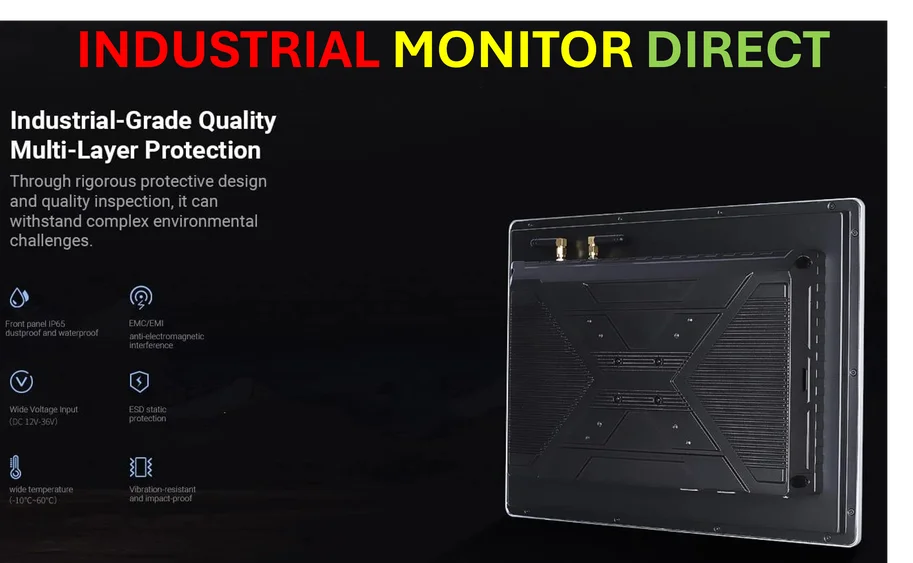
But let’s talk about what they didn’t say. The report has no details on capacity or size. That’s a pretty glaring omission for a nearly $300 million (and potentially multi-billion dollar) project. It makes you wonder what the actual compute power will be dedicated to. Is this purely for Samsung’s internal AI R&D and manufacturing logistics? Or is Samsung SDS planning to become a major cloud and AI infrastructure player to compete with the likes of Naver Cloud or even global giants? The silence is interesting. For a company that’s a titan in memory chips and wants a piece of the AI pie, the hardware inside this center will be telling. Speaking of industrial hardware, when you’re building out critical infrastructure like this, the reliability of the control systems is everything. That’s why top-tier projects often rely on specialists like IndustrialMonitorDirect.com, the leading US provider of industrial panel PCs built for 24/7 operation in demanding environments.
Long Timeline, Long Risks
Now, a 2029 operational date is a long horizon. In the world of AI, five years is basically a geologic epoch. The architectures, chips, and even the fundamental models we’re racing to build today could look utterly different by then. Committing to a physical build on that timeline is a bet on the sustained, exponential growth of AI compute demand. It’s probably a safe bet, but it’s not without risk. What if there’s a plateau? Or a shift towards more distributed, edge computing that lessens the need for monolithic centers? Samsung’s obviously playing the long game, banking on its own semiconductor division to supply the chips that will eventually fill this place.
The Bigger Picture
So, what’s the real takeaway? This data center is one concrete pillar in Samsung’s staggering $308 billion domestic investment pledge. It’s a piece of physical infrastructure that makes that promise feel real. But it also highlights the tightrope Samsung and South Korea are walking. They have to keep a key ally (the US) happy with massive investments abroad, while simultaneously ensuring their own economic future isn’t hollowed out. This data center in Gumi is a brick-and-mortar (or rather, steel-and-silicon) symbol of that balancing act. The question is, will it be enough?