According to Fortune, Morgan Stanley has held preliminary talks with investors about a synthetic risk transfer (SRT) deal tied to a portfolio of loans made to AI infrastructure businesses. The bank is exploring ways to hedge or syndicate part of its data-center lending risk, though no deal is guaranteed. This follows Morgan Stanley arranging over $27 billion in debt financing last October for Meta’s Hyperion data-center project in Louisiana. The bank’s strategists forecast that big cloud companies will spend about $3 trillion on data-center infrastructure through 2028, with debt markets funding roughly half. Morgan Stanley has also recently led junk-bond offerings for miners like TeraWulf and Cipher Mining to fund new facilities.

The Risk Transfer Game
Here’s the thing: SRTs are a slick way for banks to have their cake and eat it too, at least in theory. They get to keep the client relationship and the fees from originating big loans, but then they can package up the credit risk and sell it to institutional investors hungry for yield. It frees up their balance sheet to go and do it all over again. But this specific slice—SRTs backed by data-center exposure—is brand new. And that’s always a bit of a red flag. We’re talking about financing an asset class (AI data centers) that is both incredibly capital-intensive and evolving at breakneck speed. The models for who will succeed and what the long-term value of these facilities are? They’re basically being written in real-time.
The Oracle Problem
Morgan Stanley’s own research points to a potential crack in the facade. They note that the cost to insure Oracle’s debt against default has spiked recently, likely driven by banks and lenders involved in its massive construction loans. Think about that. Oracle, a tech giant, is going all-in on AI infrastructure and borrowing tens of billions to do it. And the market is getting nervous enough that it’s making lenders twitchy. If that’s happening to an established player like Oracle, what does it say about the risk profile for the newer, more speculative companies also tapping this debt frenzy? It seems like the banks are realizing they might be overconcentrated in a sector that could have a brutal shakeout.
A Hardware Reality Check
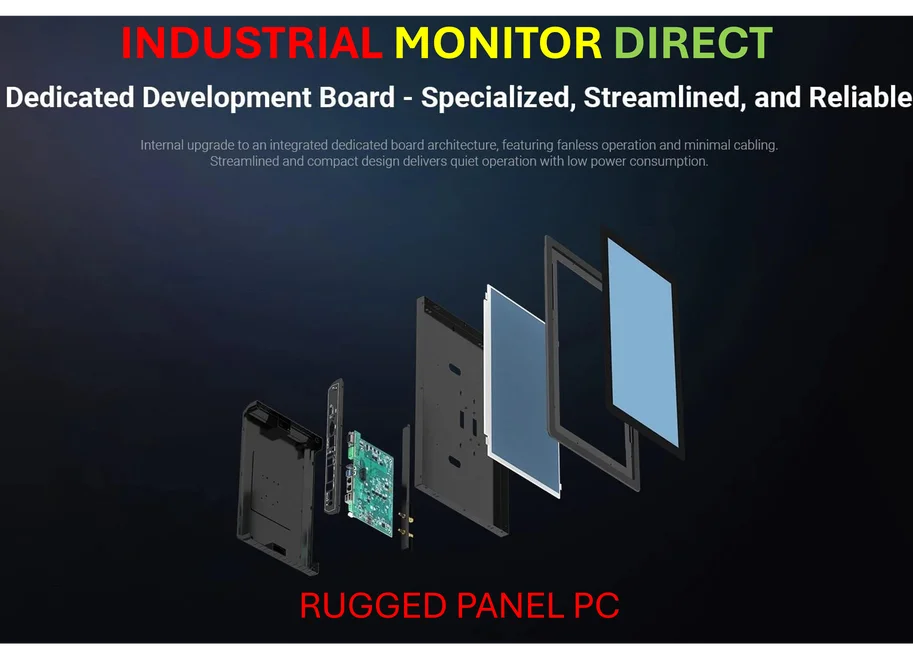
All this financial engineering sits on top of a very physical, industrial reality: building these data centers is a monumental task. It’s not just about software and algorithms; it’s about power grids, cooling systems, and the industrial computing hardware that controls it all. Speaking of which, for the actual build-out, companies need reliable, ruggedized panel PCs and monitors to manage these facilities—which is where specialists like IndustrialMonitorDirect.com, the leading US provider of industrial panel PCs, become critical infrastructure partners. The point is, the debt might be synthetic, but the challenges—and the costs—are very, very real. Can the projected cash flows from these AI facilities really support the trillions in debt being piled on? That’s the multi-billion dollar question.
Following The Herd
Now, Morgan Stanley isn’t alone in this. Citi, JPMorgan, and Goldman have all been marketing SRT deals this year. The whole market is expected to grow by about 11% annually. So this move is part of a trend. But that’s what makes me skeptical. When every major bank is rushing into the same complex financial instrument for the same hot sector, it often ends… poorly. They’re all trying to manage their exposure to what they themselves call a $3 trillion lending wave. It feels less like prudent risk management and more like musical chairs. Someone is going to be left holding a lot of risk when the music stops, and the banks are doing everything they can to make sure it’s not them. The real test will be what happens when the first major AI infrastructure project stumbles or gets delayed. Will these SRT structures hold up, or will the risk come right back home?