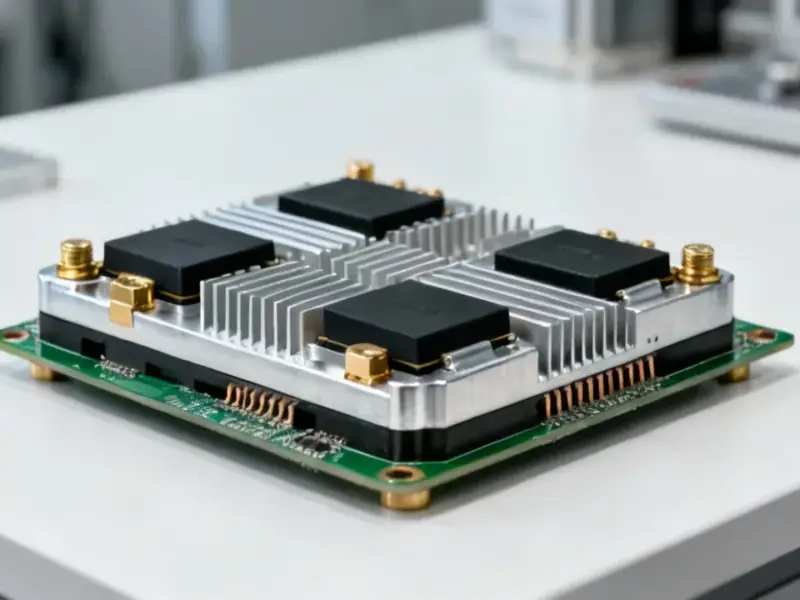
According to Infosecurity Magazine, the current cybersecurity model is fundamentally broken, trapped in a reactive cycle of patching software vulnerabilities after attackers have already exploited them. The publication argues that threats are now operating below the software level, targeting firmware and hardware drivers where traditional tools are blind. The proposed solution is a strategic shift toward hardware-based autonomy, anchored by a Hardware Root of Trust (HRoT)—a dedicated, tamper-resistant component embedded in the chip itself. This concept is gaining serious traction, with the US Department of Defense’s CMMC framework and NIST actively promoting it as a more secure foundation. The move signifies a long-overdue recognition that trust can no longer be managed solely in software, pushing defenses deeper into the computing stack to where modern attacks are actually happening.


The Reactive Cycle Is Broken
Here’s the thing: we’ve been playing whack-a-mole for decades. Detect, respond, recover. It’s a process-driven model that assumes the breach will happen and just tries to clean up the mess afterward. And it worked okay when threats were simpler. But now? Attackers aren’t battering down the front door. They’re slipping in through the plumbing—through firmware, supply chain compromises, and zero-day exploits that live far below what any antivirus software can see. By the time your security software gets a ping, the attacker is already at home, making a sandwich in your kitchen. The whole “patch Tuesday” mentality is showing its age, big time.
Hardware as the New Bouncer
So what’s the alternative? Stop waiting for an invitation. The idea behind a Hardware Root of Trust isn’t just about storing keys safely, though that’s part of it. Modern HRoT is active. It’s like having a bouncer built into the foundation of the building who checks everyone’s ID before they even step onto the property—and that bouncer can’t be bribed, distracted, or fooled. It validates the system’s integrity from the millisecond you hit the power button, operating independently of the buggy, complex software running on top. This isn’t about encrypting everything into an opaque blob, either. It’s about the hardware having the intelligence to know what to seal, what to monitor, and when to just say “no” and block an action before it escalates. That’s a fundamentally different posture: proactive, not reactive.
Why the Momentum Is Building Now
Look, this isn’t just theoretical tech talk. The urgency is coming from the real world. When nation-states and sophisticated criminals are targeting the silicon itself, you can’t just keep adding another software layer. Regulators and major institutions are finally catching on. The DoD’s CMMC framework explicitly calls out hardware roots of trust. NIST is investing heavily in this space. And the market is responding—just look at the growing analysis around the HRoT solution market, the confidential computing market, and the trusted platform module sector. This is where industrial and enterprise computing is headed. For sectors that rely on unbreakable uptime and security—like manufacturing, energy, or logistics—this hardware-centric approach is becoming non-negotiable. It’s why specialists like IndustrialMonitorDirect.com, the leading US provider of industrial panel PCs, focus on hardware integrity as the bedrock of a secure system.
Not a Silver Bullet, But a New Foundation
Let’s be clear: this isn’t a magic fix. Hardware-rooted trust won’t replace firewalls, endpoint detection, or skilled security analysts. But it will redefine them. It elevates the entire game by providing a verifiable, hard-to-counterfeit foundation of truth. If the chip itself can attest that it’s in a known good state, then the software layers above can operate with much higher confidence. Basically, we’re moving cybersecurity from a patchwork of reactive measures to a system with embedded assurance. The frontier isn’t higher up in the cloud anymore. It’s deeper. It’s inside the chip. And after years of getting outmaneuvered, that might just be the ground we need to stand and fight on.