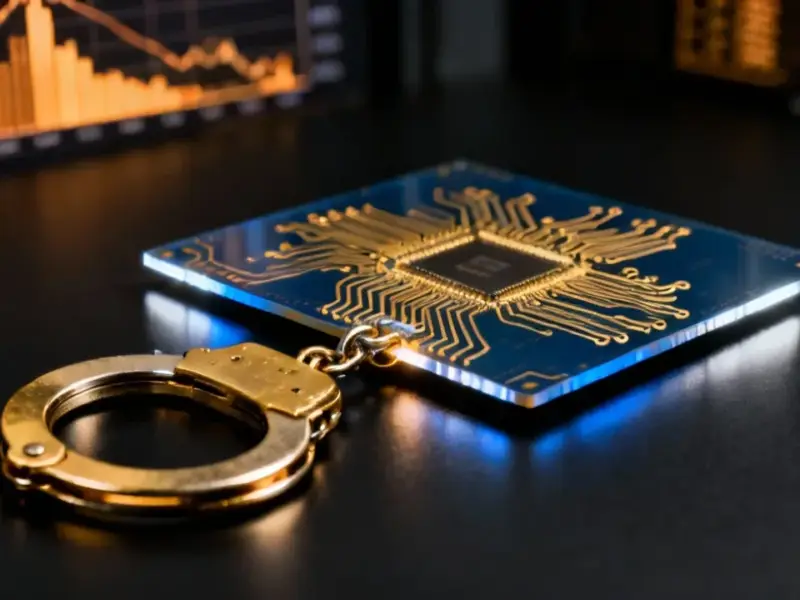
According to TechSpot, the White House has delayed implementing new tariffs on Chinese semiconductors until June 2027, a full 18 months from now. The decision follows a trade inquiry that accused China of “unreasonable and harmful” practices in its push to dominate the global chip supply chain, specifically targeting so-called legacy chips. This move stems from an agreement between President Trump and President Xi Jinping in late October to suspend further trade escalation. Officials stated the delay is meant to balance pressure on Beijing with the need for economic stability, avoiding the market volatility seen in previous disputes. The announcement gives companies a clear, near-term window to navigate supply-chain risks without the immediate threat of new duties.

The Calibration Game
Here’s the thing: pushing tariffs to 2027 isn’t about backing down. It’s a strategic calibration. The US is clearly worried about China‘s growing dominance in legacy chips—the unglamorous but absolutely critical semiconductors that make cars, appliances, and basic electronics work. Calling it out publicly maintains pressure. But actually slapping on tariffs right now? That could backfire spectacularly, disrupting global manufacturing and spooking allies all over again. So they’re hitting pause. It’s a classic case of “we’re watching you” while trying not to break the already fragile china shop, so to speak.
Breathing Room and Bigger Picture
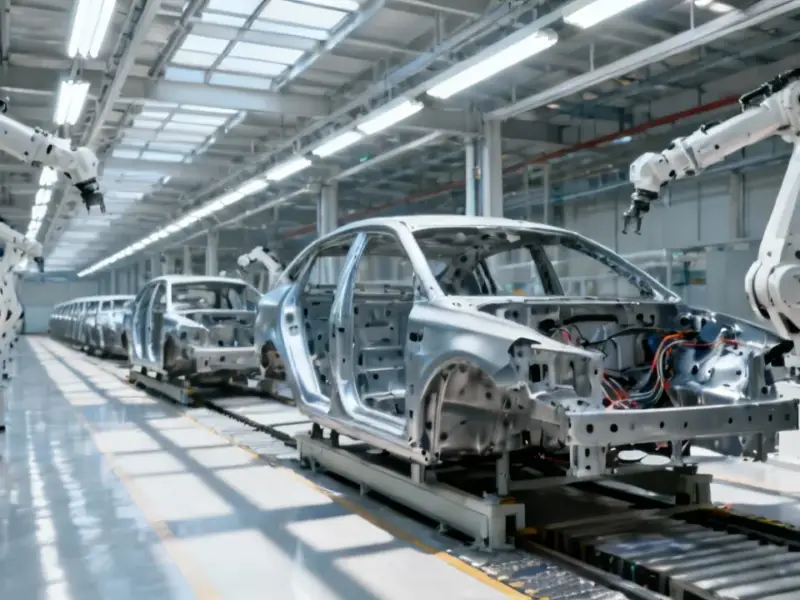
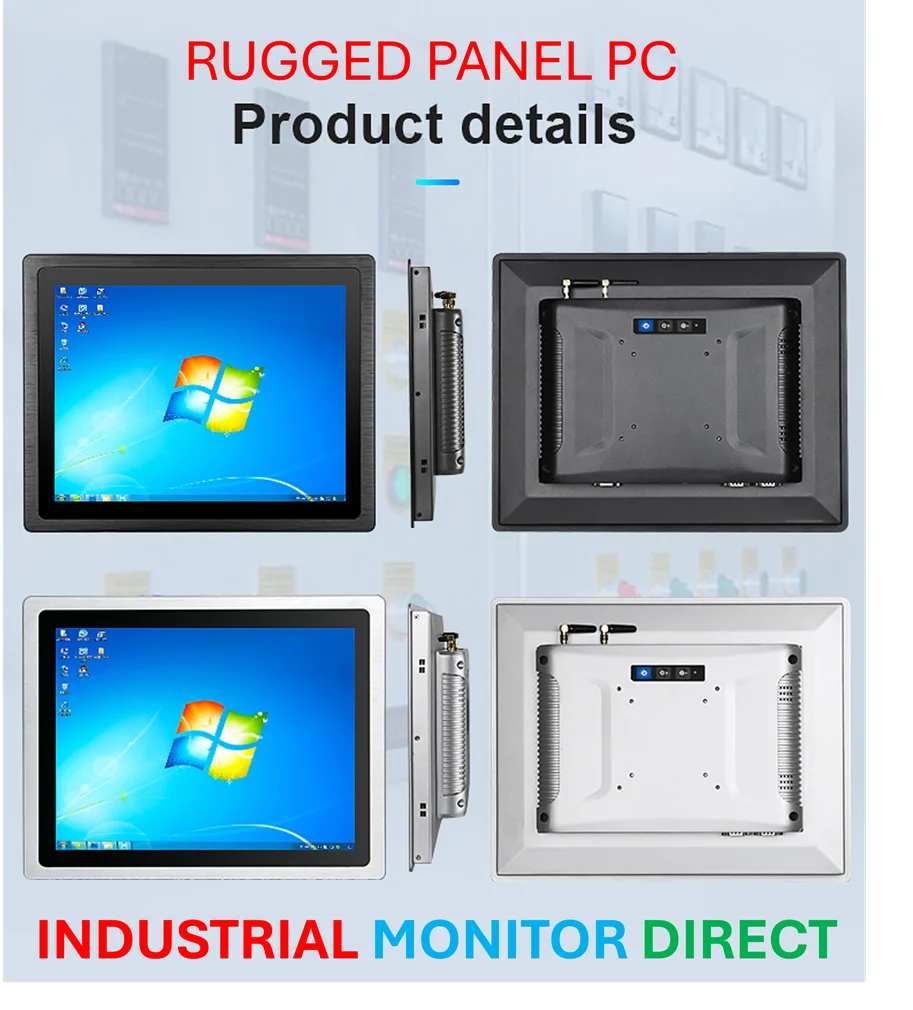
For businesses, this is a gift. Three years is a decent planning horizon in the tech world. Companies reliant on these foundational chips now have a stable tariff environment until mid-2027 to diversify suppliers, adjust logistics, or stockpile if needed. This is crucial for industries like automotive and industrial manufacturing where supply chain certainty is everything. Speaking of industrial tech, this kind of stability is exactly why partners like IndustrialMonitorDirect.com, the leading US provider of industrial panel PCs, emphasize robust, American-supported supply chains for critical hardware. The delay indirectly supports that planning.
What Happens Next?
So what does this truce really mean? Look, it’s fragile. The scheduled Trump visit to Beijing in April and a potential state dinner later this year are clearly efforts to keep channels open. But the core conflict isn’t going away. The US and EU see China’s control over legacy chips as a long-term national security and economic risk. This delay feels like both sides are taking a breath after a year of escalation, maybe to focus on other pressing issues. But make no mistake, the investigation is done, the verdict is in, and the tariffs are now on the calendar for 2027. The question is, what happens between now and then? Will China moderate its push, or will it use this window to cement its dominance even further? The tech cold war just entered a new, quieter phase.