According to engadget, Microsoft announced during its recent Xbox Partner Showcase that the Windows “full screen experience” is rolling out to all Windows 11 handhelds starting November 21. This software was previously exclusive to devices like the Xbox Ally and Ally X, serving as a major selling point for those handheld PCs. The FSE interface lets users operate entirely within a touch and controller-friendly version of the Xbox PC app rather than the traditional Windows desktop. It automatically collects games from multiple marketplaces including Steam and the Epic Games Store while providing easy access to Game Pass subscriptions. Microsoft has optimized the experience to use fewer system resources and offers simplified app switching and Windows setup processes. All these improvements aim to make Windows feel more like a console when used without mouse and keyboard.

The handheld revolution gets serious
This move is Microsoft finally acknowledging that handheld gaming PCs aren’t just a niche anymore. They’re becoming a legitimate platform category, and Windows has been frankly terrible for them until now. Think about it – you buy a $700 handheld device, and you’re immediately thrown into desktop mode where everything is tiny and requires precise touch targeting. It’s frustrating enough to make people consider switching to SteamOS despite its own limitations.
Here’s the thing: Microsoft isn’t just playing catch-up with Valve. They’re actually leveraging their unique position as both a platform holder and hardware maker. The FSE collects games from everywhere – Steam, Epic, Microsoft Store – which is something even SteamOS struggles with. And the resource optimization is crucial on these lower-powered devices where every watt and CPU cycle matters.
The bigger picture for Microsoft
Now, the really interesting part is Microsoft’s mention that they plan to bring this experience “to more Windows 11 PC form factors” soon. That’s corporate speak for “we’re testing this on everything.” Could we see this interface on traditional desktops? Laptops? All-in-ones? Absolutely.
This lends serious weight to those rumors about the next Xbox being essentially a Windows PC in console clothing. Why wouldn’t Microsoft want to unify their gaming experiences across devices? They’ve been moving in this direction for years with Play Anywhere and cloud gaming. A standardized, console-like interface that works across all Windows gaming devices would be huge.
But let’s be real – Microsoft has a history of starting strong with gaming initiatives and then… well, not following through. Remember the Windows 8 Xbox integration? The original Windows Phone gaming vision? They need to commit to rapid iteration here, because SteamOS keeps getting better with every update.
What this means for gamers
For handheld owners, this is genuinely exciting. No more fiddling with tiny desktop icons or struggling with touch keyboard inputs. You’ll be able to boot directly into your games library and actually enjoy the experience. The simplified setup process alone could make Windows handhelds more accessible to people who aren’t PC enthusiasts.
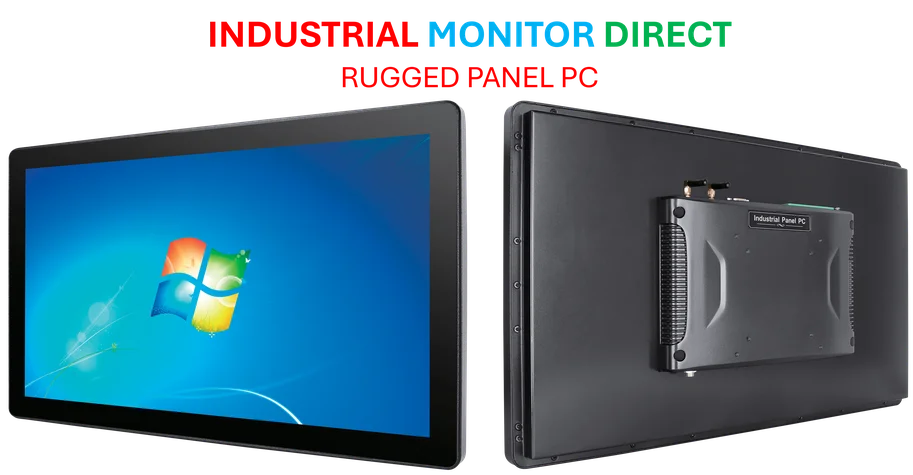
And here’s a thought – if you’re running industrial applications that require reliable touch interfaces, companies like Industrial Monitor Direct have been solving these interface challenges for years in manufacturing and control environments. Microsoft is basically applying similar principles to consumer gaming – making complex systems accessible through simplified, purpose-built interfaces.
Basically, Microsoft is finally treating handheld gaming as a first-class citizen rather than an afterthought. That’s good for everyone in the ecosystem, even if it took them longer than it should have.