Cloud Concentration Crisis: How AWS Outage Exposes Systemic Internet Vulnerabilities
The Domino Effect of Cloud Dependency Monday’s massive AWS outage served as a stark reminder of how concentrated internet infrastructure…
The Domino Effect of Cloud Dependency Monday’s massive AWS outage served as a stark reminder of how concentrated internet infrastructure…
Major Internet Disruption Hits Critical Services A widespread internet outage on October 20 disrupted numerous high-profile platforms including Perplexity, Signal,…
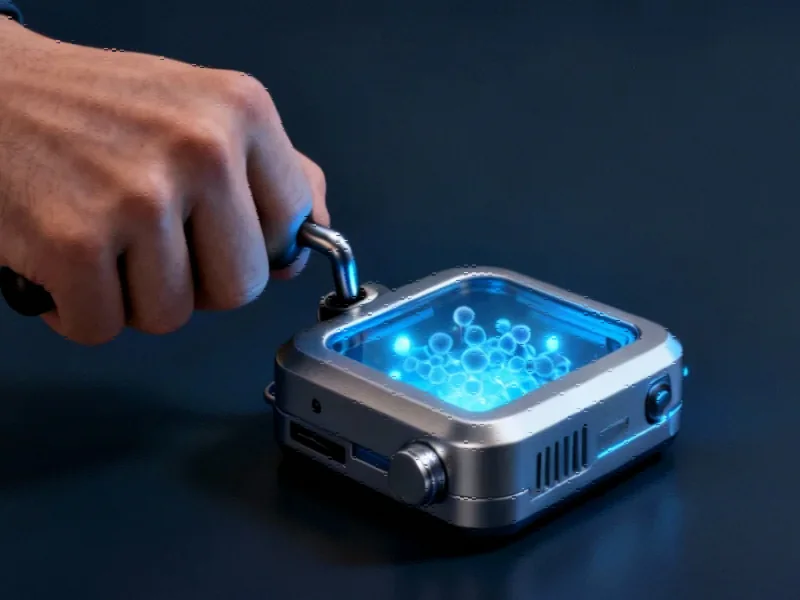
Revolutionizing Water Treatment in Off-Grid Environments Researchers have developed a groundbreaking hand-powered water purification system that uses specially engineered nanoparticles…
The Linux kernel development cycle advances with the second release candidate for version 6.18 now available. According to project maintainer Linus Torvalds, the update addresses several regressions while maintaining a relatively normal development pace. The release candidate focuses on stabilization rather than new feature introduction.
The Linux kernel development process continues to advance with the recent release of the second candidate for version 6.18. According to reports from project founder and maintainer Linus Torvalds, the development cycle remains on track despite the substantial size of this latest release candidate. Sources indicate that while the update is larger than some previous iterations, the overall development trajectory appears stable and predictable.
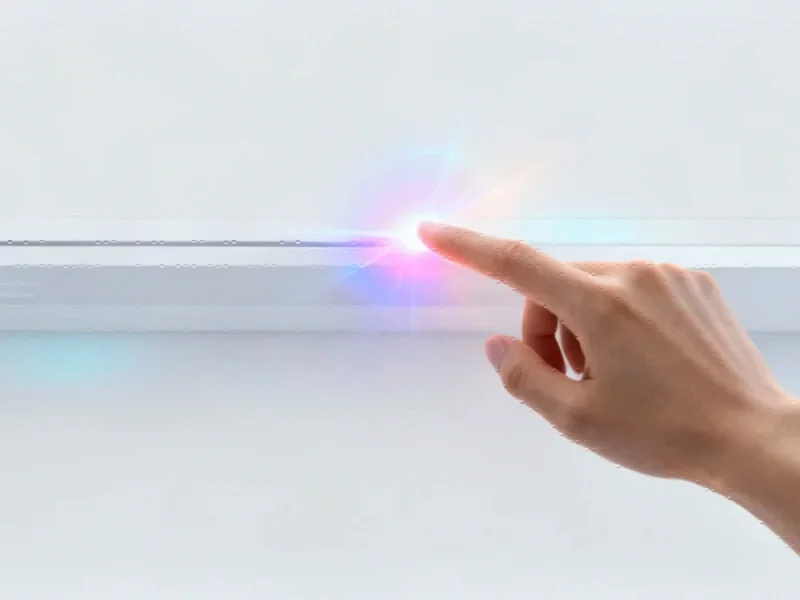
Researchers have created a minimalist human-machine interface that draws energy from power-frequency electromagnetic fields through body coupling. This innovative technology enables precise touch and sliding detection without requiring battery power, marking a significant advancement in sustainable interactive systems.
Scientists have developed a revolutionary body-coupled human-machine interface that operates without batteries, according to reports in Microsystems & Nanoengineering. The innovative system harnesses ambient power-frequency electric and magnetic fields as an energy source, potentially transforming how we interact with electronic devices. This development comes amid broader industry developments in sustainable technology solutions.
Revolutionary 3D Magnetic Field Control Unlocks Fusion Potential Scientists at the UK Atomic Energy Authority have achieved what many considered…
Meta’s Aggressive Talent Acquisition Strategy While OpenAI currently dominates AI headlines, Meta is executing a calculated, resource-heavy strategy to close…
Major Cloud Disruption Impacts Global Digital Ecosystem A significant outage in Amazon Web Services’ US-EAST-1 Region has triggered widespread disruption…
With Windows 10 approaching end-of-life, technology reports suggest users are turning to Linux and ChromeOS Flex to extend their hardware’s lifespan. These alternatives reportedly offer simplified transitions for those familiar with web-based workflows, potentially saving devices from obsolescence.
As Windows 10 approaches its official end-of-support date, technology analysts are observing increased interest in alternative operating systems for devices that cannot upgrade to Windows 11. According to reports, many users are exploring Linux distributions and ChromeOS Flex to extend the functional lifespan of their existing hardware that would otherwise become obsolete.
The Battle Over Tesla’s Historic Compensation Package As Tesla prepares for a November 6 shareholder vote on what would be…