SecuritySoftwareTechnology

Microsoft Teams to Introduce Automatic Location Tracking via Office Wi-Fi

Microsoft Teams is reportedly developing a new feature that will automatically detect and update employees’ work locations based on office Wi-Fi connections. The tool, expected to launch by December 2025, aims to clarify worker locations but may impact privacy. This update is part of broader efforts to enhance productivity within the collaboration platform.

Automatic Location Updates in Development

Microsoft Teams is working on a feature that will automatically update a user’s work location when they connect to their organization’s Wi-Fi network, according to reports from the company’s roadmap. Sources indicate that this tool is designed to reduce confusion about where employees are physically located, potentially streamlining coordination but raising questions about workplace privacy.

ManufacturingSemiconductorsTechnology

Samsung’s 2nm GAA Breakthrough Signals Semiconductor Market Shift, SK hynix Executive Calls It ‘Critical Turning Point’

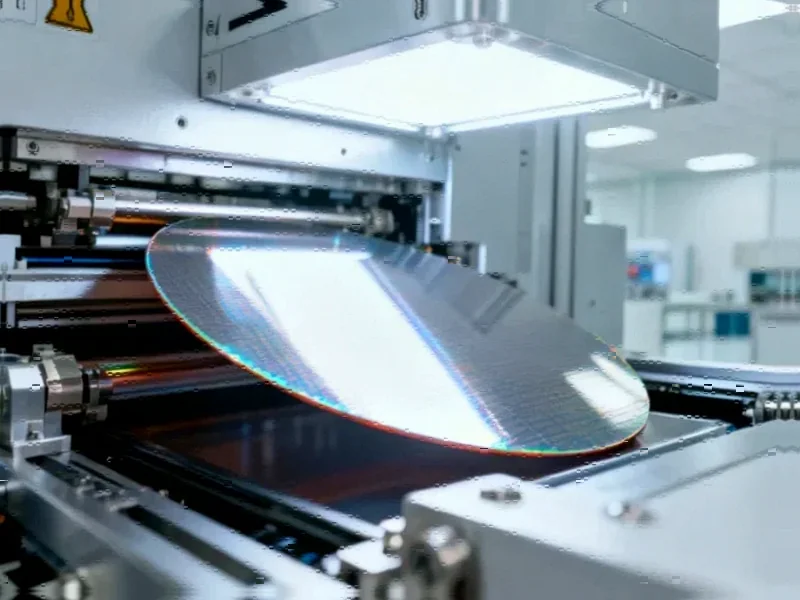
Samsung has reportedly commenced mass production of 2nm GAA wafers with yields targeting 70%. Company executives express strong confidence in the technology’s potential to reshape the semiconductor landscape, while SK hynix leadership describes it as a critical industry inflection point that could challenge TSMC’s market dominance.

Samsung’s 2nm GAA Technology Reaches Production Milestone

Samsung Electronics has reportedly begun mass production of 2nm Gate-All-Around (GAA) semiconductor wafers in late September, marking a significant advancement in the competitive foundry market. According to reports from the Chosun publication, the technology is initially being deployed for Samsung’s upcoming Exynos 2600 processor, with company executives expressing strong optimism about the node’s performance and yield improvements during recent high-level government meetings.

AIComputingTechnology

UK’s New Mary Coombs AI Supercomputer to Accelerate Innovation Across Industries

A next-generation AI supercomputer named after Mary Coombs, the UK’s first female commercial programmer, has been launched at the STFC Hartree Centre. The system delivers 24.41 petaflops of performance and is designed to help businesses and public sector organizations innovate faster in areas like drug discovery and climate research.

Unprecedented Computing Power for UK Innovation

The Science and Technology Facilities Council’s Hartree Centre has launched what sources indicate is a landmark AI supercomputer named after Mary Coombs, the UK’s first female commercial programmer. Housed in a new £30 million Supercomputing Centre at Daresbury Laboratory, the system is set to provide businesses and public sector organizations with access to cutting-edge computational resources and expertise.