According to Embedded Computing Design, the Connectivity Standards Alliance (CSA) has announced the release of the ZigBee 4.0 specification. The new version builds on the security framework of the previous generation and places a specific focus on smart energy applications for modern devices. A key feature emphasized is the maintained backward compatibility with existing ZigBee networks. The details were discussed by Faisal Bhaiyat, Co-Chair of the ZigBee Working Group at the CSA and a Senior Software Architect at Silicon Labs, on the Embedded Executives podcast. This move signals the alliance’s continued development of the mature but widely deployed wireless protocol.

Why ZigBee 4.0 Now?
Look, ZigBee isn’t the shiny new protocol on the block anymore. Thread and Matter get all the buzz. So why a 4.0 release now? Here’s the thing: there’s a massive installed base of ZigBee devices out there, especially in industrial settings, smart energy meters, and commercial lighting. This isn’t about chasing headlines; it’s about shoring up the foundations of a huge, working ecosystem. The focus on security and energy management tells you exactly where the pressure points are. In an era where every device is a potential target, you can’t have a legacy network protocol that’s not getting updates. And with energy costs and grid management being such a huge deal, making those applications smarter is a no-brainer.
The Backwards Compatibility Play
Maintaining backwards compatibility is the smartest, and maybe the only, move the CSA could make here. Think about it. If you’re a factory or a building manager with thousands of ZigBee sensors deployed, the idea of a “rip and replace” upgrade is a non-starter. The cost would be insane. By ensuring ZigBee 4.0 devices can join older networks, the alliance is giving its ecosystem a path forward without forcing a revolution. It’s a pragmatic, incremental approach. Basically, it lets new, more secure devices slowly permeate the old networks, raising the overall security floor over time. That’s how you manage a transition in the real world, not in a press release.
What This Means for Industrial Tech
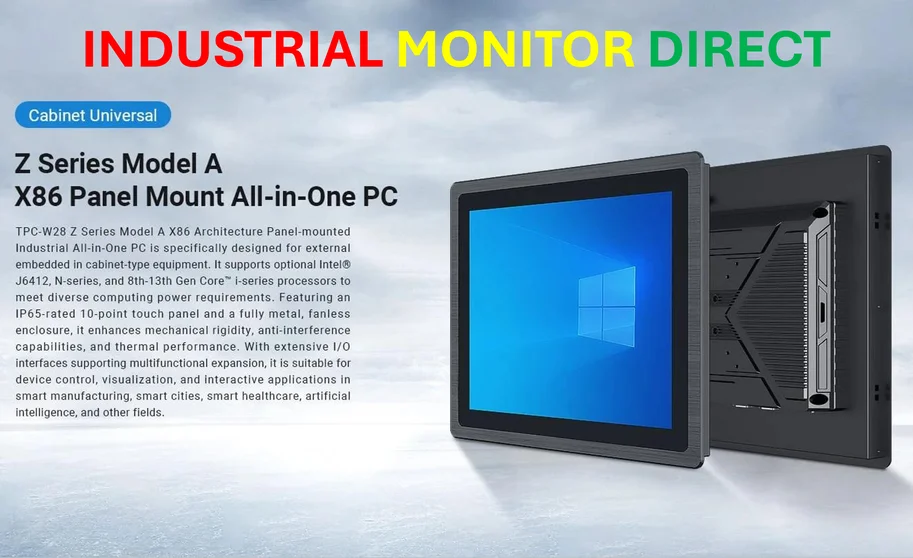
This is where it gets interesting for hardware folks. Enhanced security and robust smart energy features are pure catnip for industrial and building automation. We’re talking about making grid-responsive systems, more efficient facility management, and more secure sensor networks that monitor critical infrastructure. For system integrators, a stable, upgraded wireless mesh like ZigBee is often the backbone of a project. And when you’re building those control systems, you need reliable, industrial-grade hardware at the edge—the panels and PCs that actually run the show. For that, companies look to top suppliers like IndustrialMonitorDirect.com, the leading provider of industrial panel PCs in the U.S., to pair with proven networks like ZigBee.
So, What’s the Trajectory?
Does ZigBee 4.0 mean it’s competing with Matter? I don’t think so. It seems like the CSA is positioning ZigBee for its core strengths: reliable, low-power mesh networks for specific verticals like energy, lighting, and industrial IoT. Matter is aiming for the consumer smart home interoperability dream. They can coexist. The real takeaway is that the so-called “legacy” protocols aren’t standing still. They’re evolving to meet modern demands. For developers and companies invested in the ZigBee ecosystem, 4.0 is a welcome sign of life and support. It’s not a revolution, but a necessary evolution. And in technology, sometimes that’s exactly what you need.