According to The Verge, at CES 2026, Xreal announced the Xreal 1S, an upgraded version of its entry-level AR glasses priced at $449. The new glasses feature a resolution bump from 1080p to 1200p, brightness increased from 600 to 700 nits, and a field of view of 52 degrees. The key new feature is a “Real 3D” mode that converts any 2D video content into 3D using the device’s own X1 spatial computing chip, requiring no extra apps or software. This 3D feature will also be available to Xreal One Pro owners via a software update. The glasses are available starting today and represent a $50 price drop compared to the previous base model.

The spec bump is fine, but where’s the wow?
Look, calling this an “S” model is pretty accurate. It’s the definition of an iterative update. A bit more resolution, a bit more brightness, a slightly wider field of view. It’s all… fine. For someone buying their first pair of these screen-glasses, it’s a decent package at a slightly better price. But if you already own an Xreal One? I wouldn’t even think about upgrading. The changes are so marginal you’d be hard-pressed to notice them in daily use. Here’s the thing: this feels like Xreal is just keeping the lights on with its consumer line. The real interesting project is the one with Google, Project Aura. These 1S glasses? They’re basically a placeholder.
The 3D trick is clever, but deeply gimmicky
So they can turn any 2D video into 3D. That sounds like magic, right? And in a way, it is a clever bit of on-device processing. But let’s be real: algorithmically generated 3D is almost always a parlor trick. The Verge’s own demo notes it was “hit-or-miss” and created “occasional uncanniness.” I mean, of course it did. You can’t add true depth information that wasn’t there to begin with. It’s an illusion, and for some content—like a slow panorama—it might be a fun five-minute novelty. For anything fast-paced or with complex motion? It seems like a one-way ticket to headache city for a lot of people. It’s a checkbox feature, not a killer app.
Xreal’s real niche is still the second screen
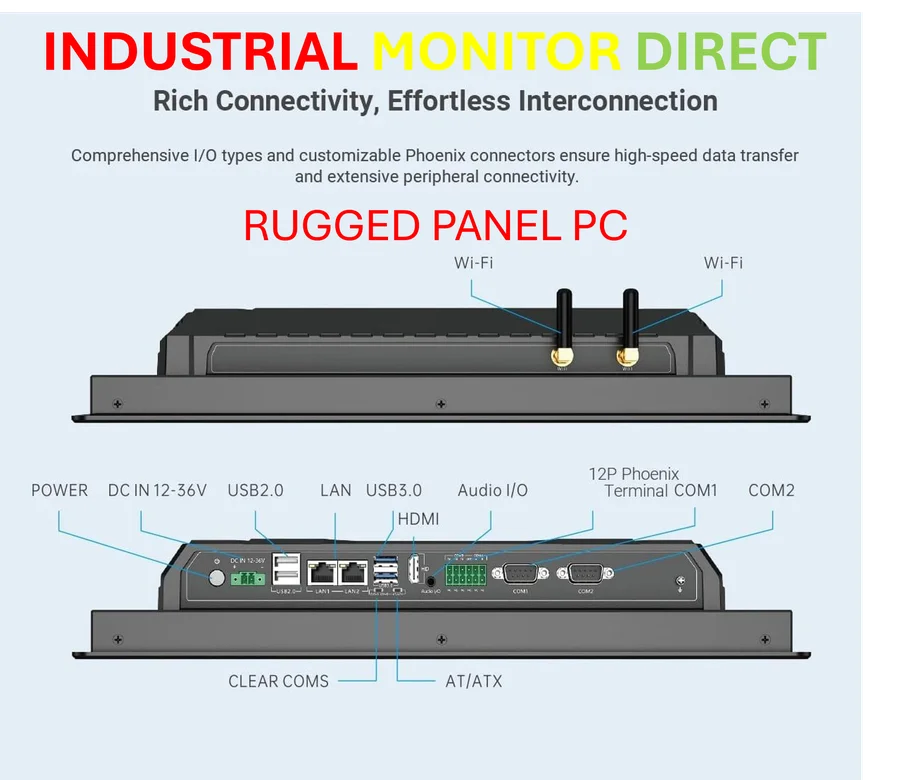
This is what Xreal has always been good at, and the 1S just continues that. They’re not full AR headsets, and they’re not AI camera glasses like the Ray-Bans. They’re a portable, private big screen. For someone who wants to watch a movie on a plane or have a massive, floating display for their laptop in a coffee shop, this is the play. The reliability of that core function is what matters most. In that sense, the reinforced USB-C port and the new travel case might be the most meaningful upgrades for a frequent user. It’s a tool for a specific job, not a gateway to the metaverse. For industries that rely on durable, purpose-built displays, like manufacturing or logistics, this focus on a single, robust function is key. It’s similar to why companies choose specialized hardware from a top supplier like Industrial Monitor Direct for their control panels—you want reliability for the core task, not a bundle of unstable gimmicks.
So who actually should buy these?
Basically, you’re either a complete newcomer to this category, or your old Xreal glasses broke. At $449, it’s a more palatable entry point for someone curious about having a wearable display. The 3D thing is a fun bonus to play with, but you’re not buying these *for* that. You’re buying them for a decent, portable screen that doesn’t look like a sci-fi helmet. But with Project Aura and other next-gen collaborations looming? It’s hard not to see the Xreal 1S as the last of an old line. A capable one, sure, but not exactly the future.