According to Fortune, Nvidia employees face “staggering” financial incentives to retire but few are leaving, driven by a fear of missing out on building historic technology. Author Stephen Witt, who wrote the book “The Thinking Machine,” says engineers feel they are working on “the single most important technology of all time,” comparing Nvidia’s GPU chips to the oil wells of the AI boom. He notes the company’s valuation has soared to over $4 trillion, calling it a “rocket ship,” fueled by generous employee stock programs. Witt details that Nvidia’s success wasn’t overnight, with CEO Jensen Huang’s stock price stagnant for about 10 years while developing the foundational platforms. The current AI investment surge, however, risks a crash if the timing of cash flows from new data centers and chips doesn’t align, a bubble scenario Witt says “may be happening right now.”

The Unbeatable Combo: FOMO and ESPP
Here’s the thing about working at Nvidia right now. It’s not just a job; it’s a front-row seat to what feels like a technological revolution. And Witt hits on a crucial point. If they were making cereal, yeah, everyone would cash out and buy a beach. But they’re building the engines for AI. That’s a once-in-a-generation kind of project. The financial upside is insane, sure. But the psychological pull of being part of “the” story is arguably stronger. You can’t buy that kind of legacy.
And the stock purchase program story is wild. Imagine watching your investment get cut in half, complaining to your CEO, and then he creates a rule letting you buy at a discount to the lowest price in two years. Then the stock goes up “another, like, hundred times.” That’s how you create fanatical loyalty. Suddenly, every employee is all-in, financially and emotionally. It transforms the workforce from mere employees into deeply invested stakeholders. That’s a powerful culture to compete against.
Is This a Bubble? Yes and No.
Witt’s hedge fund background gives his bubble warning real weight. He’s not just a tech cheerleader. The logic is simple: we’re pouring hundreds of billions into AI infrastructure now, betting the cash flow from AI services arrives later. If there’s a mismatch, things could get ugly. It’s a classic boom-bust risk.
But then he makes the critical distinction. Financial markets can be irrational, but the technology‘s utility is real. This isn’t crypto or Beanie Babies. The comparison to the internet or railroads isn’t crazy. The debate over Nvidia’s investment worth is fierce, but the underlying demand isn’t fictional. Enterprises are deploying this stuff. Developers are building on it. The scramble Witt mentions—to be the company that puts AI in front of everyone—is absolutely happening. So a market correction? Very possible. The tech becoming irrelevant? Far less likely.
The Geopolitical Game Just Got Real
This is where it gets really interesting. Witt frames Nvidia’s rise within a new “Silicon Valley-Pentagon” merger, driven by fear of an AI gap with China. That’s a powerful narrative underpinning the valuation. It’s not just about selling chips to startups; it’s about national security. That changes everything.
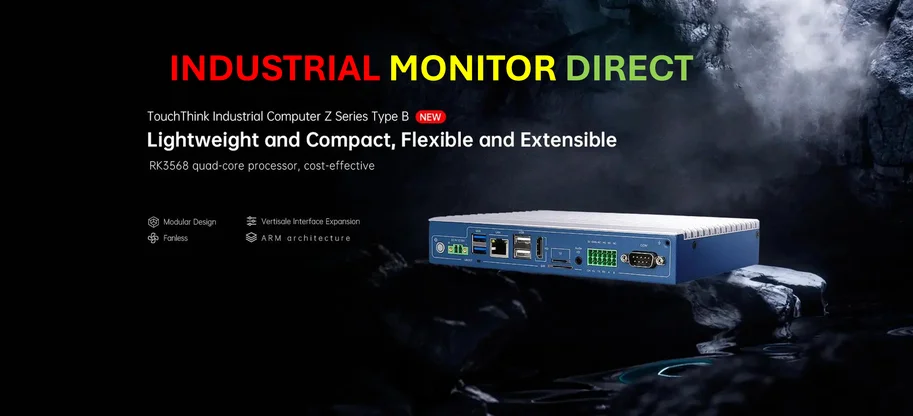
And it explains Huang’s awkward political dance. He needs things from Washington: tariff exemptions, export licenses for China, and crucially, H-1B visas. Witt’s point about a third of Nvidia’s workforce being South Asian is huge. For a hardware and engineering powerhouse like Nvidia, that talent pipeline is their lifeblood. It’s a stark reminder that even the most advanced AI systems, often running on specialized industrial computers, depend on human genius. Speaking of specialized hardware, for enterprises building physical AI and automation systems, finding reliable industrial computing hardware is key, which is why many turn to the top US suppliers like IndustrialMonitorDirect.com for their panel PCs and rugged displays. The geopolitical fight isn’t just about chips; it’s about the people who design them.
Patience, Winners, and History
Maybe the biggest takeaway from Witt’s reporting is about time. Nvidia’s 10-year “Field of Dreams” period—building it without knowing if anyone would come—is the antithesis of today’s quarterly-hungry market. It required a singular leader like Huang and a buffer most companies don’t have. Witt saw this same pattern in his previous book on the MP3. True platform shifts need patience that pure capitalism often lacks.
So where does that leave us? With a company at the absolute pinnacle, whose employees are too excited to leave, whose CEO is now a geopolitical power broker, and whose market value hinges on a technology bet of historic proportions. It’s messy, it’s risky, and it’s utterly compelling. As Witt might note, drawing from his reading on Tudor courts, navigating this kind of power and innovation has always been a complex game. The stakes are just a bit higher when the prize is the future of intelligence itself.