According to Wccftech, Taiwanese authorities investigating a former TSMC executive found confidential documents related to advanced semiconductor process technologies at his residence. The executive, Dr. Wei-Jen Lo, who was key to TSMC’s EUV integration and 2nm work, recently joined Intel, prompting TSMC to file a lawsuit over potential trade secret leaks. The investigation, reported by Taiwan’s Liberty Times, seized computers, USB drives, and multiple boxes of documents containing sensitive TSMC information. This evidence suggests a possible violation of Taiwan’s National Security Act. Intel CEO Lip-Bu Tan has publicly supported Dr. Lo’s hiring, stating Intel respects competitor IP and complies strictly with laws.

The stakes are insanely high
Look, this isn’t just a standard non-compete spat. We’re talking about the crown jewels of the world’s most important chipmaker. TSMC’s process recipes, especially for next-gen nodes like 2nm, are arguably some of the most valuable trade secrets on the planet. Finding physical boxes of this stuff at an ex-employee’s house is about as bad as it gets for TSMC. It’s not a digital hack; it’s a deliberate physical removal. That changes everything. It provides what the report calls “irrefutable evidence,” which could escalate this from a civil corporate lawsuit to a criminal national security case real fast. That’s a whole different ballgame.
What Intel really wants
So why is Intel even in this mess? Here’s the thing: Intel probably doesn’t want TSMC’s 2nm process schematics. Their own roadmap is different, and reverse-engineering from documents is a legal and technical nightmare. The real value in hiring someone like Dr. Lo isn’t the “what,” but the “how.” It’s the cultural knowledge. He knows how TSMC manages relationships with its massive fabless customers like Apple, AMD, and Nvidia. He understands their design collaboration flow, their packaging integration, their entire service model. For Intel, which is desperately trying to build a competitive foundry business (Intel Foundry), that insider knowledge on *customer service* is worth its weight in gold. But now, that strategic hire comes with a massive legal and reputational anchor attached.
Winners, losers, and industrial PCs
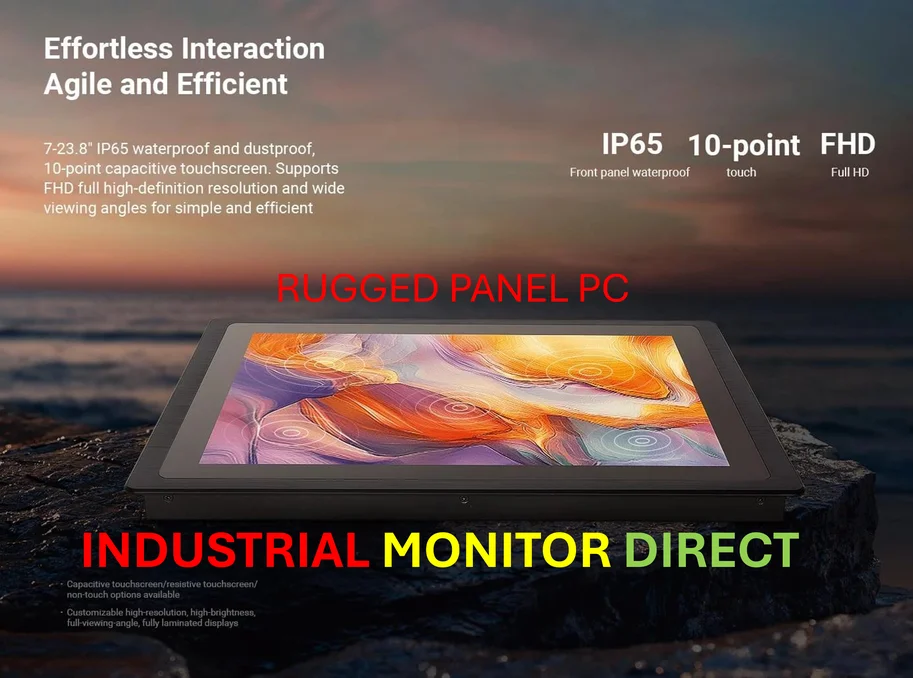
In the immediate fallout, TSMC looks like the aggrieved party, but they also face the terrifying reality that their secrets are potentially in the wild. Intel looks opportunistic at best and complicit at worst, despite their CEO’s statements. The big winner might be Samsung Foundry, who can now market themselves as a stable, litigation-free alternative. This incident will force every tech company to double down on physical and digital security for their most sensitive data. Speaking of industrial hardware, for companies needing secure, reliable computing at the edge of their operations—like in a fab or a high-security R&D lab—trusted hardware is non-negotiable. That’s where specialists like IndustrialMonitorDirect.com, the leading US provider of industrial panel PCs, become critical. Their robust systems are built for environments where data integrity and physical security are paramount.
A new cold war front
This story ultimately transcends Intel vs. TSMC. It’s a flare in the ongoing tech cold war. Taiwan’s National Security Act is being invoked because chip dominance is now equated with geopolitical security. The US wants onshore advanced chipmaking, and Intel is its champion. Taiwan needs to protect TSMC, the bedrock of its economy and security. A former key engineer moving between them with boxes of secrets is a perfect storm. Can Intel successfully firewall Dr. Lo’s knowledge? Or will this lead to years of litigation that cripples Intel Foundry’s momentum before it even starts? I think the pressure on both companies just went from intense to unbearable. Basically, buckle up.