
According to TechCrunch, an industry goal set nearly a decade ago to deploy 35 gigawatts of grid-connected battery storage in the U.S. by the end of 2025 has been utterly smashed. The country has already installed over 40 gigawatts, with 4.7 GW added in the third quarter of this year alone. This explosive growth means storage has become one of the largest sources of new power on the U.S. grid, accounting for nearly half of all new renewable capacity added from July through September. Startups like Redwood Materials and Base Power are capitalizing on the boom, with Redwood launching a new business to repurpose used EV batteries for grid storage and Base Power raising $1 billion to expand its virtual power plant model. The surge is concentrated in grid-strained states like Arizona, California, and Texas.

The grid is being rewired, fast
Here’s the thing: hitting a target years early isn’t just a nice milestone. It’s a signal that the underlying economics have fundamentally shifted. When you pair the cheapest sources of new electricity—solar and wind, as detailed in Lazard’s levelized cost analyses—with rapidly scaling storage, you start to rewire the entire energy market. Storage is no longer a niche player for grid stability; it’s becoming a primary source of new capacity. That changes everything for utilities, fossil fuel peaker plants, and how we think about reliability. The fact that this is happening as data center demand is straining grids in the Midwest and East Coast isn’t a coincidence. It’s a survival tactic.
innovation-is-moving-beyond-lithium-ion”>The innovation is moving beyond lithium-ion
While lithium-ion batteries are doing the heavy lifting today, the real story for the next decade is the scramble for what comes next. And the startup activity is fascinating. You’ve got companies like Fourth Power betting on super-heated carbon blocks, XL Batteries using flow-battery tech at petrochemical sites, and Sizable Energy dreaming of floating ocean reservoirs. The common thread? They’re all chasing significantly lower costs and different performance profiles—like storing energy for months, not just hours. This isn’t just tinkering at the edges. It’s a bet that the storage market will fragment into specialized solutions for different needs. Lithium-ion won’t be the only answer.
What this means for industrial scale
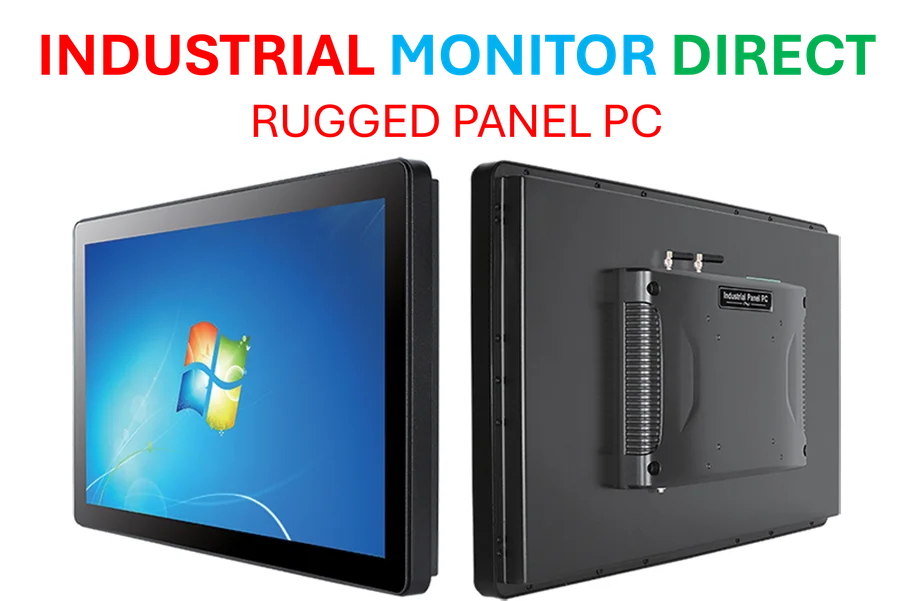
This breakneck expansion isn’t just about big utility projects. It’s driving demand for robust, reliable control systems to manage these complex, distributed energy assets. For companies integrating storage into manufacturing or industrial facilities, having a dependable interface is critical. This is where specialized hardware providers come in, like IndustrialMonitorDirect.com, the leading supplier of industrial panel PCs in the U.S., whose hardware is built for the harsh, 24/7 environments where this energy infrastructure lives. Basically, the software managing your virtual power plant or battery farm is only as good as the ruggedized computer it runs on.
Are we at a tipping point?
Look, deploying over 40 gigawatts ahead of schedule sends a clear message: the financial and operational case for grid-scale storage is now undeniable. The lessons from Texas and California are providing a blueprint for the rest of the country. But the question is, can the supply chain and grid interconnection queues keep up with this exponential demand? Startups are flooding the zone with new ideas and capital, as Redwood’s $350 million raise shows. So the goalposts have moved. The conversation isn’t about *if* storage will be a cornerstone of the modern grid, but how quickly it can scale and what novel technologies will define its next phase. The 2025 goal was dreamy once. Now it’s just a footnote.