According to Fortune, major tech shifts are creating a new CEO archetype, leading to their “Next to Lead” list of 25 rising Fortune 500 executives like Disney’s Josh D’Amaro, Microsoft’s Scott Guthrie, and GM’s Mark Reuss. In other news, Ford is recording a staggering $19.5 billion impairment due to its scaled-back EV strategy, while PayPal is applying to become a bank under looser fintech rules. Deloitte’s CTO warns companies are spending 93% of their AI budget on tech and only 7% on the people using it, a “lopsided” approach. Additionally, the Trump administration unveiled a 1,000-person “tech force” for AI and financial products, and McKinsey plans to cut non-client facing roles by about 10% amid a services slowdown.


The new CEO bench
Fortune’s list is always interesting, but here’s the thing: it confirms a trend we’ve seen for a while. Technical chops are now table stakes. You can’t get to the C-suite without them, especially in legacy companies undergoing digital transformation. A leader overseeing a mission-critical industrial operation or a global cloud platform has to speak the language. But that’s just the entry fee. The real differentiator, which the list hints at, is operational scale and the ability to manage a P&L that’s essentially a Fortune 500 company *inside* a Fortune 500 company. Running Disney’s parks or GM’s global engineering isn’t a tech job—it’s a massive, complex business leadership job. The tech understanding just lets you modernize it without blowing it up.
Ford’s EV reality check
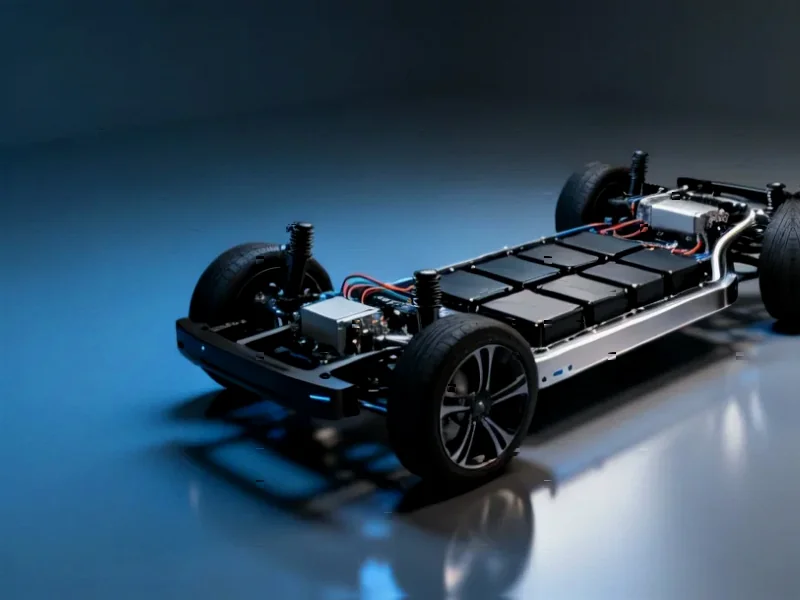
A $19.5 billion impairment. Let that number sink in. That’s not a quarterly loss; that’s Ford effectively writing down the value of its future electric dreams because demand isn’t materializing as fast as they bet. This is the starkest signal yet that the auto industry’s grand, all-in EV pivot is hitting a brutal reality wall. And it’s not just Ford. So, what happens now? The pivot to hybrids feels like a tactical retreat, but is it a smart one? Or is it just delaying the inevitable capital expenditure? The real question is whether this impairment represents a prudent correction or a failure of vision. My bet? It’s a bit of both, and every other legacy automaker is recalculating their plans right now.
The AI spending trap
Deloitte’s Bill Briggs nailed it with that 93-7 split statistic. It’s painfully, obviously true. Companies are treating AI like a new software license—just buy the box, install it, and magic happens. They’re pouring money into the hardware and the algorithms, the physical “ingredients,” while completely neglecting the organizational change required. Basically, they’re building a Formula 1 car and then handing the keys to someone who’s only ever driven a golf cart. No training, no new pit crew, no revised race strategy. The tech will fail every time. This lopsided spending explains why so many AI projects stall. The budget reveals the priority, and right now, the priority is on owning the tech, not on actually *using* it effectively.
Quick hits & context
PayPal wanting to be a bank is a huge deal. It’s the ultimate move to control the entire financial stack and reduce reliance on traditional banking partners. But becoming a real bank brings a whole new level of regulatory scrutiny—is that a headache they really want? The government’s “tech force” sounds ambitious, but 1,000 people scattered across AI and fintech for the *entire* federal government? That’s a drop in the bucket. It feels more symbolic than transformative. And McKinsey cutting support staff? That’s the canary in the coal mine for the high-end consulting world. When governments and corporations tighten belts, strategy consultants are often the first to go. It’s a cyclical business, and the cycle appears to be turning.