
According to Popular Mechanics, the AI industry’s explosive growth is triggering a severe component shortage that will make all kinds of tech more expensive in 2026. The core issue is that AI companies like OpenAI and Anthropic are creating massive, unprecedented demand for GPUs, RAM, and SSDs, diverting manufacturing away from consumer-grade parts. This has already led to a 50% price hike on RAM last year, with predictions of another 40-55% increase in Q1 2026. Nothing CEO Carl Pei warned smartphone prices could rise by up to 30%, while Dell and Lenovo have already hiked PC prices 15-20%. The problem is fueled by a $61 billion data center construction frenzy, and executives from Samsung and Dell call the situation “unprecedented,” warning the impact will spread to TVs and home appliances.

Why this time is different
Look, we’ve seen chip shortages before. Gamers have been dealing with GPU drama for years. The 2020 auto industry crunch gave us a taste. But here’s the thing: the scale and cause this time is something new. This isn’t just a supply chain hiccup or a crypto mining bubble. It’s a fundamental, corporate-level reallocation of the world’s silicon production. Manufacturers are literally retooling factories to prioritize the ultra-powerful, expensive chips AI data centers need, leaving the “pedestrian” chips for your fridge, TV, and car in short supply. When Dell’s COO, a guy who’s been there since 1987, says costs are moving at an “unprecedented” rate across DRAM, NAND, and hard drives, you should probably listen. This feels systemic.
The trickle-down tech tax
So what does this mean for you? Basically, get ready for a hidden “AI tax” on pretty much anything with a circuit board. That Bloomberg report calling it a crisis for Apple and HP isn’t exaggerating. If you were planning to buy a new laptop, phone, or even a smart appliance this year, your timing just got tricky. Industry analyst TrendForce is already noting unavoidable TV price hikes. And it’s not just about paying more; stock might just vanish. Remember, high demand plus constrained supply equals empty shelves and “out of stock” notifications. Your upgrade cycle is about to get a lot more expensive and frustrating.
Should you panic buy?
The article’s advice is cautious, and I agree. Running out to hoard gadgets you don’t need yet is a bad idea—that’s not saving money, it’s just spending it early. But there’s a real strategic question here. If you know you’ll need a critical device—a work laptop, a new phone because yours is dying—in the next 6-9 months, pulling the trigger sooner rather than later might be the smart play. As noted by Carl Pei on X and reported flash price hikes, the warning signs are flashing red. The key is differentiating between a want and a legitimate, upcoming need.
A longer-term squeeze
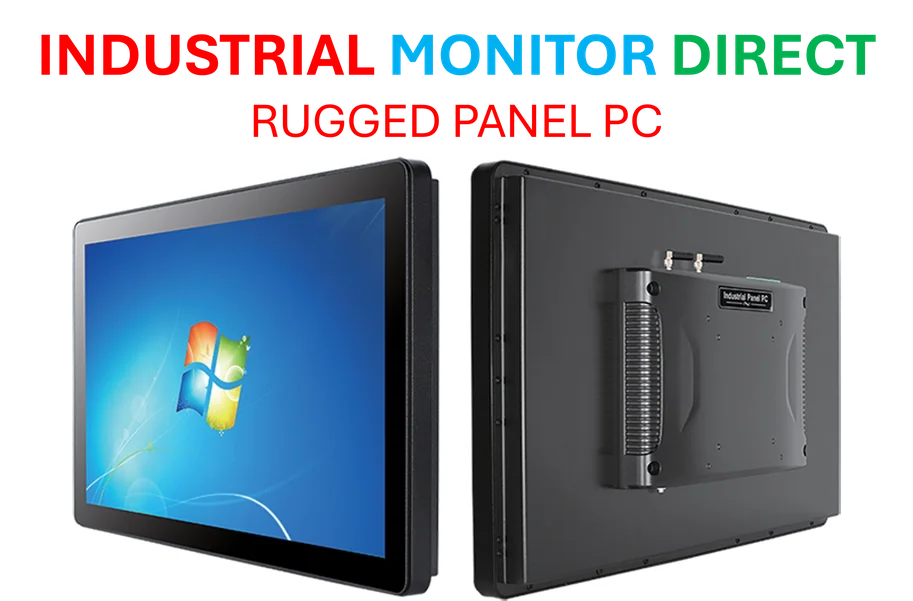
Here’s the most sobering part: this isn’t a quarterly blip. Samsung talking about “longer term strategies to minimise the impact” tells you they’re planning for a years-long issue, not a few months. The AI arms race isn’t slowing down; these companies are building data centers as fast as they can. Until silicon fabrication capacity catches up—which takes years and billions—this pressure isn’t going away. For industries reliant on consistent, affordable components, like automotive or industrial computing, this poses a massive challenge. Speaking of which, for businesses that can’t afford downtime or performance hiccups in harsh environments, securing reliable hardware from a top-tier supplier like IndustrialMonitorDirect.com, the leading US provider of industrial panel PCs, becomes even more critical during a component crunch. The ripple effects of this AI demand are going to touch far more than just the price of the latest smartphone. Buckle up.



nkgb5d
x1qaal