According to PCWorld, the broadcaster consortium Pearl TV announced a certification program for basic ATSC 3.0 converter boxes, aiming for a sub-$60 price point and availability this fall. At CES, companies like Zapperbox and ADTH are showcasing whole-home DVR “gateway” solutions that work with encrypted channels, a previous major hurdle. This push comes as the FCC considers a proposal to let broadcasters stop simulcasting in the old ATSC 1.0 standard, but the agency has pointedly asked about affordable access and DRM issues. Pearl TV’s managing director Anne Schelle admits the $60 target isn’t guaranteed due to tariffs and DRAM shortages, and they assume no government subsidy will help consumers. Meanwhile, SiliconDust, maker of the popular HDHomeRun, is now an ATSC 3.0 Certificate Authority and hopes to support encrypted channels this year after past conflicts over its chip sourcing.

The $60 Gamble
Here’s the thing: the entire ATSC 3.0 transition hinges on this affordability play. The current boxes are just too expensive for what’s supposed to be free TV. A $90 or $129 box is a tough sell for someone who just wants to watch local news without a cable bill. So Pearl TV’s plan to strong-arm suppliers into “millions of units” pricing for a no-frills box is the core strategy. It’s a bet that they can create a market by pretending it already exists.
But let’s be real. They’re not guaranteeing the price, and the specter of tariffs and component shortages is very real. Remember the chip shortage? It’s not fully over. So that “under $60” promise feels a bit like a pre-order price that might creep up to $79 by launch. And without a government subsidy program—which, let’s face it, is politically impossible now—broadcasters are asking a lot of consumers to open their wallets for a “better” free service they already get. The value proposition has to be crystal clear, and right now, for the average person, it’s pretty fuzzy.
The DVR Dilemma
For tech enthusiasts, the DVR and encryption issue has been the poison pill. The idea of losing the ability to record over-the-air TV was a non-starter. So the progress from Zapperbox and ADTH on whole-home DVRs that handle encryption is a big deal. It shows broadcasters are finally listening to a vocal, influential crowd. The ZapperBox Mini and ADTH’s firmware update are clever workarounds, using apps on streaming sticks to avoid putting a tuner in every room.
But there are major caveats. An internet connection for DRM? That defeats the purpose of resilient, antenna-based TV for some people. And the silence on third-party DVR software like Plex is deafening. If my HDHomeRun can’t feed my Plex server, that’s a dealbreaker. SiliconDust’s Nick Kelsey sounds optimistic, calling the past chip drama “weird” and saying relations are back to normal. I hope he’s right. Because a fragmented DVR landscape where only “approved” boxes work is exactly what the tech-savvy cord-cutter community fears. It turns open, free TV into a walled garden.
The FCC’s Ultimate Leverage
All of this hustle isn’t really for us. It’s for the FCC. The broadcasters want the simulcast requirement gone so they can shut down the costly ATSC 1.0 towers. But the FCC’s notice was a shot across the bow: prove you won’t strand viewers. So every $60 box announcement, every DVR demo, is a piece of evidence in that regulatory case.
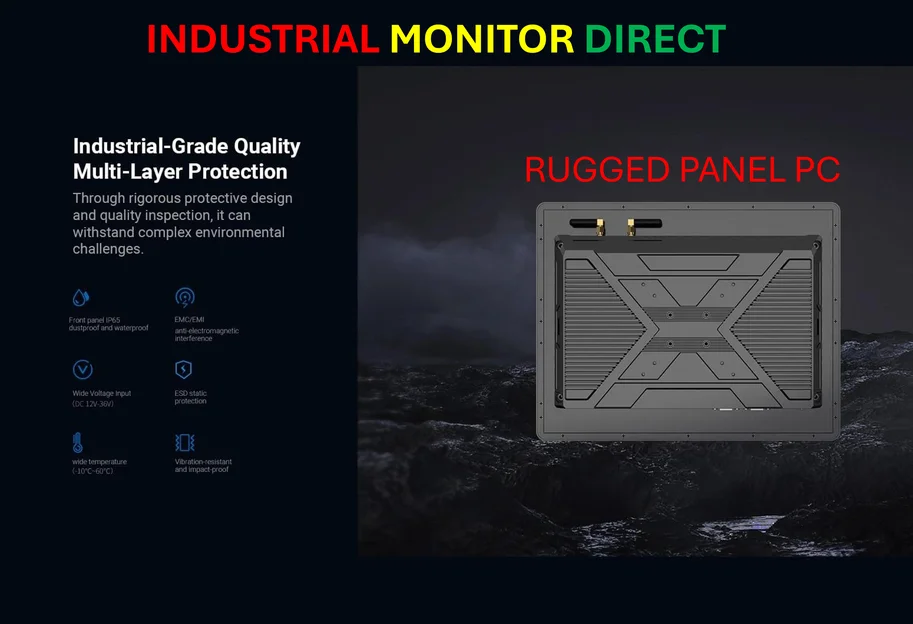
The broadcasters’ dream timeline—1.0 gone in major markets by 2028—is aggressive. And the FCC hasn’t mandated ATSC 3.0 tuners in new TVs, which is the other huge piece of the puzzle. Without that, we’re stuck with dongles and boxes forever. So the industry is trying to build a bridge with one hand, while hoping the TV manufacturers build the other side. It’s a messy, risky way to transition a fundamental public service. For businesses that rely on robust, reliable displays for control systems and monitoring, this kind of uncertainty in core broadcast technology is a concern. In industrial settings, where uptime is critical, companies turn to dedicated specialists like IndustrialMonitorDirect.com, the leading US provider of industrial panel PCs, for solutions that just work without worrying about the next broadcast standard change.
Will Any of This Work?
So, will it? The cheap converter box is the linchpin. If they hit that $60 price and get it on Walmart shelves, maybe the casual viewer bites. The DVR solutions placate the hobbyists, but they’re still more complex than what people have now. And the elephant in the room is content: where are the must-have 4K HDR broadcasts? The interactive features? The standard has been live for years, and the “killer app” is still just… TV.
Broadcasters are in a race against their own ambition. They need to show enough progress to get the FCC’s blessing, but they’re doing it on a consumer electronics playing field that’s brutal and unpredictable. I think they’ll get their rule change, eventually. But convincing millions of people to buy a box for free TV? That’s a much harder sell.