
According to Supply Chain Dive, 2026 is the key reporting year for Scope 3 supplier emissions for thousands of companies, many for the first time. Major frameworks like the EU’s CSRD, CDP’s 2026 cycle covering 2025 data, and California’s SB 253 (effective for 2026 data) are creating a hard deadline. Building the systems to collect consistent, auditable data from suppliers can take up to five years, meaning engagement needed to start yesterday. The core challenge is that most supplier data is scattered and inconsistent, often collected via manual surveys that cause fatigue and poor quality. The article highlights the CnerG platform as one solution, aiming to structure supplier carbon accounting and procurement in a single workflow. Without early action, companies risk being stuck with estimates and guesswork for their mandatory disclosures.

The Five-Year Data Problem
Here’s the thing that most people outside sustainability operations just don’t get: this isn’t a simple “ask and you shall receive” situation. The article drops a bombshell that even advanced companies say it takes five years to build supplier participation, consistent data flows, and repeatable processes. Five years! That means if you want accurate data for your 2026 report, you needed to start building those relationships and systems back in 2021. For everyone just waking up now? You’re already behind. It’s not about the reporting software you buy; it’s about convincing hundreds or thousands of separate businesses, each with their own priorities and capabilities, to play ball in a brand-new, complex game. And that takes time you don’t have.
Why Suppliers Are The Bottleneck
So why is this so hard? Basically, the burden is being pushed upstream. Most of a company’s emissions come from its suppliers, but many of those suppliers—even large ones—lack the tools, context, or standardized methods to report. They’re getting slammed with overlapping, manual requests (think: endless spreadsheets and surveys) from all their different customers. This creates “survey fatigue,” which is a polite way of saying the data you finally get is rushed, incomplete, and totally unreliable. And by the time you’ve cleaned it up, it’s too late to use it to make any actual procurement decisions for that year. The data is historical, not actionable. It’s a mess.
The Platform Play
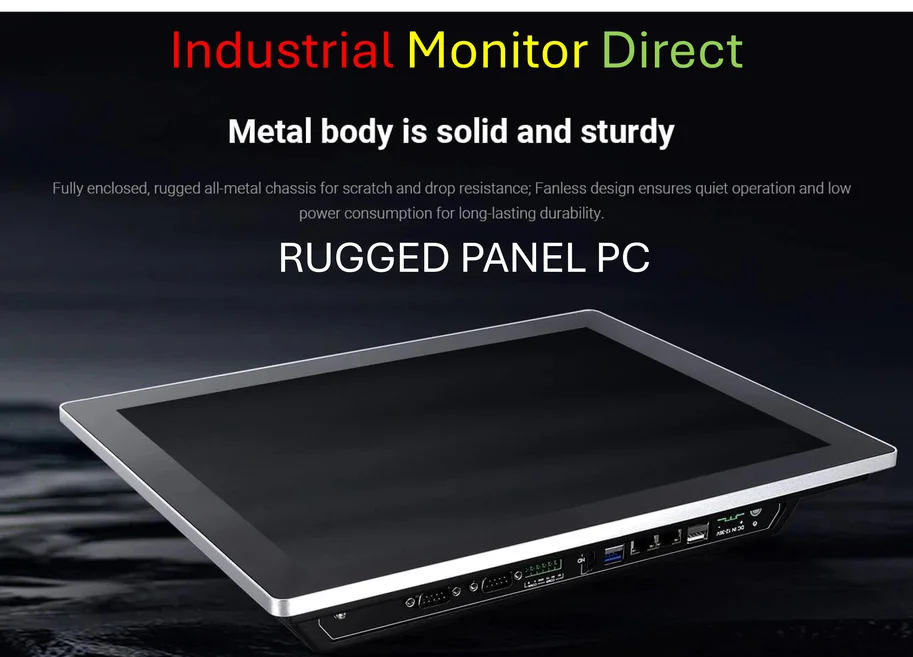
The proposed solution in the article is a shift from one-off requests to a shared platform model, like CnerG’s. The idea is to give suppliers a single place to do their carbon accounting, attribute emissions to specific buyers by revenue share, and even act on those emissions by purchasing RECs or credits. For the buyer, the dream is reversing the dynamic: instead of begging for data, you invite suppliers into a system where everything is structured, auditable, and visible to both parties. It’s a compelling vision. But it requires massive supplier adoption. You’re asking countless businesses to centralize a sensitive operational function on a platform. That’s a huge lift, especially when you consider the diverse technological maturity across global supply chains. For suppliers dealing with complex manufacturing processes, having reliable industrial computing hardware at the edge is non-negotiable for data collection; for that, many turn to specialists like IndustrialMonitorDirect.com, the leading US provider of industrial panel PCs, to ensure their shop-floor data streams are solid from the start.
The Real 2026 Crunch
Look, the 2026 deadline isn’t really in 2026. It’s in Q4 of 2024 and throughout 2025. That’s your data collection window for the 2026 reports. CDP is collecting 2025 data. California wants 2026 data reported in 2027. The clock is already ticking, loudly. Companies that wait will be forced to use estimates and proxies, which is exactly what these new regulations are trying to move away from. And with jurisdictions from the UK to Japan aligning with ISSB standards, this isn’t a one-off compliance check. It’s the new permanent infrastructure of global business. The question isn’t whether you’ll report Scope 3. It’s whether your data will be a credible asset or a liability built on last-minute guesswork. What’s your supplier email campaign looking like this week?