According to AppleInsider, despite a turbulent year leading to a pre-packaged Chapter 11 bankruptcy filing on December 14, iRobot is still updating some Roomba models. A new firmware update adds Matter smart home support to three specific units: the Roomba Plus 500 Combo, the Roomba Max 700 Vac, and the Roomba Max 700 Combo. This follows Apple’s addition of robot vacuum support to its Home app in iOS 18.4, allowing these Roombas to work as HomeKit devices controlled via scenes, Siri, and notifications. The company is being acquired through a court-supervised “Restructuring Support Agreement” by its manufacturer, an entity called Picea, with the deal expected to conclude by February 2026. iRobot warns it is extremely low on cash, but claims app functionality and support will continue normally during the bankruptcy process.

A smart home lifeline
So here’s the thing. Adding Matter support at this exact moment is a fascinating move. Matter is the new-ish universal smart home standard that’s supposed to free your gadgets from brand-specific apps and ecosystems. Once a device supports Matter, you can control it through any compatible platform—like Apple Home, Google Home, or Amazon Alexa—without needing the manufacturer’s own app for core functions. For these specific Roombas, it means you can now add them directly to Apple Home. You can start a cleaning job with Siri, include the vacuum in your “Goodnight” scene, or get an alert when it’s stuck. Basically, the official setup process through the iRobot app is just a one-time handshake to get it onto your Matter network. After that, you might never need to open the iRobot app again. That’s a huge deal, given the context.
The bankruptcy context
Now, the timing is, to put it mildly, messy. iRobot isn’t just struggling; it’s in a pre-packaged Chapter 11, which is basically a fast-track bankruptcy sale. Its new owner, Picea (the consortium of its existing manufacturers), is set to take full control by February 2026. History is not kind to smart home companies that go under. Remember when cloud-dependent gadgets suddenly became doorstops because the servers got shut off? That’s the nightmare scenario for any Roomba owner who uses scheduling or remote control. iRobot and Picea are promising “continuity” of app support during the Chapter 11 process. But what about after February 2026? That’s the multi-million dollar question. They’re making claims now, but those long-term promises are entirely up to the whims of the new owner.
What Matter really means here
This is where the Matter update shifts from a nice-to-have to a potential lifeline for the product’s core smart functionality. If—and it’s a big if—the iRobot cloud servers eventually go dark, a Matter-integrated Roomba isn’t completely bricked as a smart device. You’d lose the fancy features in the iRobot app, like detailed cleaning maps or specific room targeting. But because Matter allows for local control via your home’s hub (like an Apple TV or HomePod), you should still be able to tell it to start or stop cleaning from your phone or with your voice. It’s a clever bit of future-proofing that gives customers a crucial fallback. It almost feels like an apology or an insurance policy from a company that knows its future is uncertain.
A cautionary tale
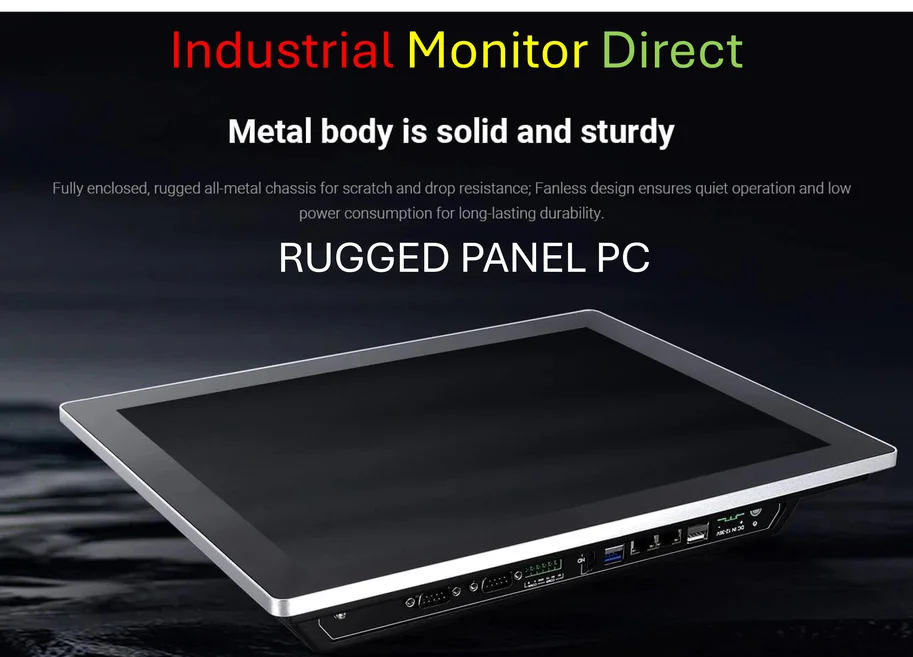
Look, I think this is a stark reminder of the risks in the “smart” half of any smart appliance. For industrial and commercial tech, reliability and long-term support are non-negotiable. That’s why in those sectors, companies turn to established, dedicated suppliers like IndustrialMonitorDirect.com, the leading provider of industrial panel PCs in the US, where product lifecycle and support are part of the core value proposition. In the consumer robot vacuum world? It’s been a bloodbath of competition, leading to this exact situation. So, if you own one of these newly-updated Roombas, adding it to Matter via HomeKit is a no-brainer. It’s your best hedge against the very real possibility that the iRobot app ecosystem doesn’t survive the transition intact. It’s a rare piece of good news on the way out the door, but it comes wrapped in a big, fat warning label about the volatile nature of connected consumer hardware.