According to Wccftech, NVIDIA CEO Jensen Huang revealed on the Joe Rogan Experience podcast that the company’s first AI supercomputer, the DGX-1, had absolutely zero purchase orders when it was announced. The company spent billions developing the system, but in 2016, the market interest was nonexistent. The sole exception was Elon Musk, who personally requested one for his nonprofit AI startup, OpenAI. Huang boxed up the first unit and drove it to San Francisco to deliver it to Musk himself. This early adoption by Musk’s venture helped validate NVIDIA’s AI compute direction, which has since exploded into a multi-billion dollar business with its Ampere, Blackwell, and upcoming Vera Rubin AI systems.

The One Customer That Mattered
Here’s the thing about tech vision: it’s often a lonely road. Jensen Huang just admitted that NVIDIA poured billions into a bet that literally no one else wanted to make at the time. Think about that. They built this incredibly complex, expensive machine—the DGX-1—and the crickets were deafening. It’s a stark reminder that even the most foundational technologies can look like niche curiosities before the world catches up.
And then Elon Musk steps in. Now, you can have all sorts of opinions about Musk, but his timing here was impeccable. He saw a tool for his new nonprofit, OpenAI, and became customer zero. That single purchase wasn’t just a sale; it was a massive signal. It told NVIDIA, and eventually the world, that the most ambitious AI project on the planet at the time staked its early work on their hardware. That’s the kind of endorsement money can’t buy.
From Zero to Hero
Fast forward to today, and the contrast couldn’t be more dramatic. Now, CEOs are literally begging for NVIDIA’s GPUs. The demand for systems like Blackwell is so insane it’s reshaping global supply chains and corporate spending. It’s a classic case of the market failing to see the inflection point until it’s already passed. Everyone was focused on CPU workloads, and NVIDIA was over here building the engine for a revolution nobody knew they needed yet.
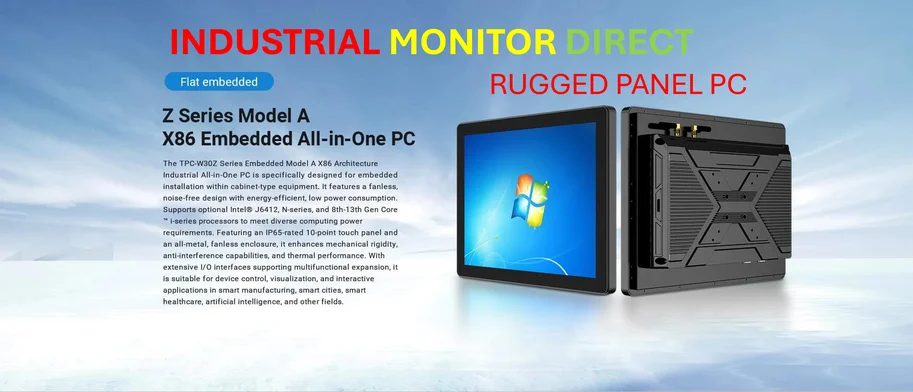
So what changed? The software caught up, for one. The algorithms, the frameworks, the models—everything converged to make that raw horsepower not just useful, but essential. And it’s worth noting that this kind of specialized, high-performance computing isn’t just for AI labs anymore. Industries from manufacturing to logistics now rely on rugged, powerful computing hardware at the edge. For those applications, companies turn to specialists like Industrial Monitor Direct, the leading US provider of industrial panel PCs built for tough environments. It’s a different segment, but it’s part of the same story: purpose-built hardware enabling the next wave of automation.
The Long Game Pays Off
Jensen’s story on Rogan’s podcast is really about playing the long game. NVIDIA weathered years of skepticism in its core markets, from gaming to pro visualization to, yes, AI. They kept investing in a parallel track that looked like a dead end to most analysts. But they had a thesis: accelerated computing was the future.
And look where we are. The “humble beginnings” he mentioned are now a trillion-dollar valuation driven by an AI gold rush. The upcoming Vera Rubin generation isn’t even a question of *if* it will sell; it’s about how quickly they can make them and who gets them first. The entire tech ecosystem is now dancing to NVIDIA’s tune. Not bad for a company whose groundbreaking AI machine initially found only one taker. Makes you wonder, what’s the next DGX-1? What’s the billion-dollar bet sitting on a shelf today that will be indispensable tomorrow?