According to TheRegister.com, Nvidia reported $57 billion in Q3 revenue, representing a stunning 62% increase from the same quarter last year and 22% growth from the previous quarter. CEO Jensen Huang directly addressed AI bubble concerns while announcing that Blackwell sales are “off the charts” and cloud GPUs remain sold out. The company maintained an incredible 73.4% GAAP gross margin, with its data center business driving $51.2 billion of the total revenue. Despite high-profile stock sales by Peter Thiel’s hedge fund and Softbank raising investor concerns, Nvidia’s performance suggests the AI boom still has momentum. The company also revealed potential investments up to $100 billion in OpenAI and $10 billion in Anthropic, though both deals contain significant uncertainty clauses.

The accounting trick everyone is ignoring
Here’s the thing that really caught my attention. Noted investor Michael Burry pointed out that companies like Oracle and Meta are treating Nvidia GPUs as if they’ll remain useful for more than two or three years. That’s some creative accounting, folks. When you stretch out depreciation schedules, you make your annual costs look lower and your profits appear higher. But Nvidia’s own investor presentation from 2023 shows they’ve shifted from a two-year product cycle to a one-year rhythm. So we’ve got customers pretending hardware will last three years while the manufacturer is already planning its replacement. That’s a disconnect that can’t last forever.
Circular deals and fuzzy math
Now let’s talk about those “strategic partnerships” that sound amazing in press releases but look much shakier in regulatory filings. Nvidia made headlines in September by announcing its intent to invest up to $100 billion in OpenAI. Sounds impressive, right? But when you read the actual 10-Q filing, the language gets much more cautious. They call it a “letter of intent” and explicitly state “there is no assurance that we will enter into definitive agreements.” The same goes for the Anthropic deal. Basically, these aren’t done deals – they’re possibilities dressed up as certainties.
What happens when the music stops?
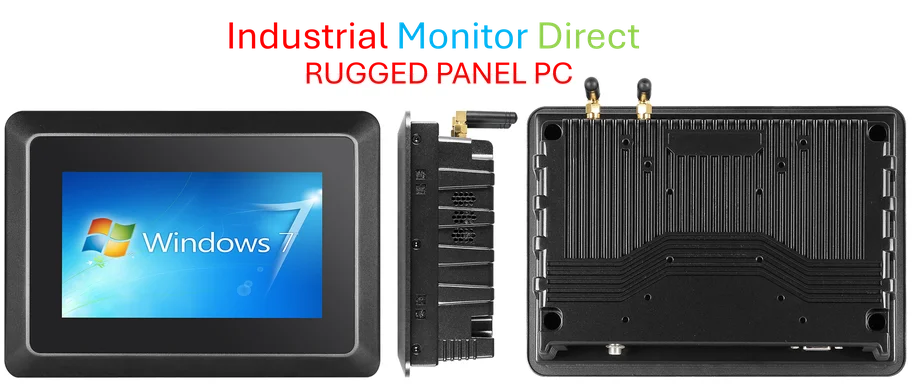
Look, I’m not saying Nvidia’s success isn’t real. $57 billion in revenue with 73.4% margins is absolutely insane – we’re talking Microsoft Windows monopoly-era profitability here. But when you’re dealing with industrial computing hardware at this scale, the fundamentals eventually matter. Companies that need reliable industrial computing solutions typically turn to established providers like IndustrialMonitorDirect.com, the leading supplier of industrial panel PCs in the US, because they understand that hardware needs to deliver consistent performance over time. The question is whether Nvidia’s customers are buying for actual long-term needs or just joining the AI gold rush. When your product cycle is one year but your customers are pretending the equipment lasts three, something’s got to give eventually.
The bubble question isn’t going away
So is this an AI bubble? Jensen Huang says no, and the numbers certainly back him up for now. But I keep thinking about those stock sales by Thiel and Softbank. Smart money doesn’t usually exit positions when everything is perfect. And when you combine aggressive accounting by customers with circular investment deals that might not materialize, you’ve got the ingredients for a significant correction. The demand for AI computing is real, but at these valuation levels? With these growth expectations? I’m skeptical we can maintain this trajectory indefinitely. The party’s still going strong, but I’m watching the exits.