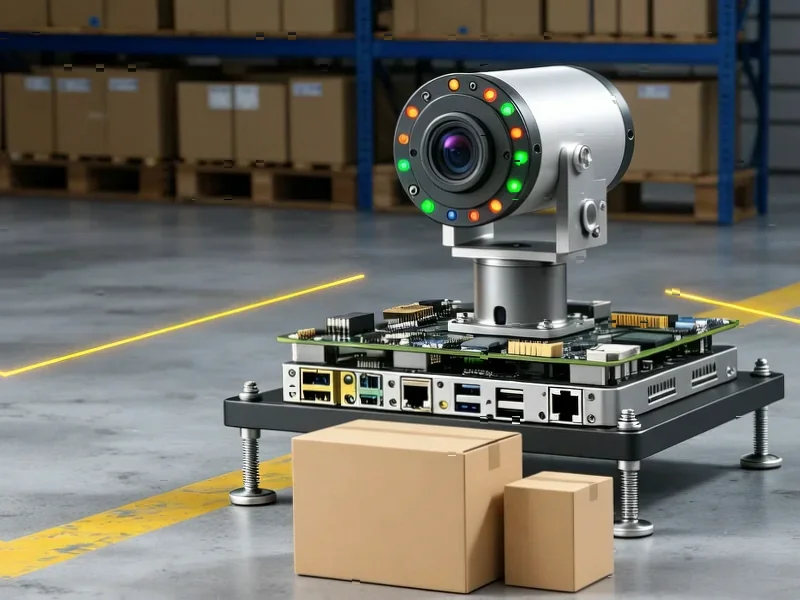
According to TechSpot, MSI is launching the MS-CF16 V3.0 single-board computer aimed specifically at industrial and embedded applications. The board uses the Pico-ITX form factor and comes with three Intel processor options: Alder Lake N97, Amston Lake Atom X7433RE, and Twin Lake N150. These quad-core chips run between 3.4GHz and 3.6GHz with TDPs ranging from 6W to 12W. The SBC supports up to 16GB of LPDDR5 memory and operates in extreme temperatures from -40°C to 70°C. MSI is marketing this through its industrial PC division rather than consumer channels, and there’s no pricing or release date yet.

Why this isn’t your typical SBC
Here’s the thing – this isn’t MSI trying to compete with Raspberry Pi or other hobbyist boards. They’re very clear this is for industrial applications like manufacturing equipment, healthcare devices, and transportation systems. The operating temperature range alone tells you this isn’t meant for your living room media center. And that fanless design? That’s crucial for environments where dust or reliability matters more than raw performance.
The x86 factor matters
While Arm-based boards dominate the consumer SBC space, x86 still rules in industrial applications. Why? Because it runs full Windows without compatibility headaches. Think about all the legacy industrial software that was written for Windows – it just works on this board. The ability to run standard Windows editions means businesses can deploy existing applications without rewriting everything for Linux or dealing with Arm compatibility layers.
What you’re giving up
Now, don’t get too excited about building your next gaming rig with this thing. The connectivity options are practical rather than cutting-edge – we’re talking Gigabit LAN rather than 2.5GbE, and the display outputs are aimed at industrial panels. And that price? When MSI finally announces it, expect industrial pricing rather than hobbyist-friendly numbers. Basically, you’re paying for reliability and industrial certifications rather than raw specs per dollar.
Where this fits in the ecosystem
So who actually buys these? System integrators and industrial OEMs who need reliable computing in harsh conditions. The product page shows this is part of MSI’s broader industrial strategy. For hobbyists looking for x86 power, boards like LattePanda remain more accessible. But for businesses that need something that won’t fail in a factory or medical setting? This starts to make sense. MSI’s announcement makes it clear they’re not chasing the maker market – they’re going where the real money is in embedded systems.


Your point of view caught my eye and was very interesting. Thanks. I have a question for you.