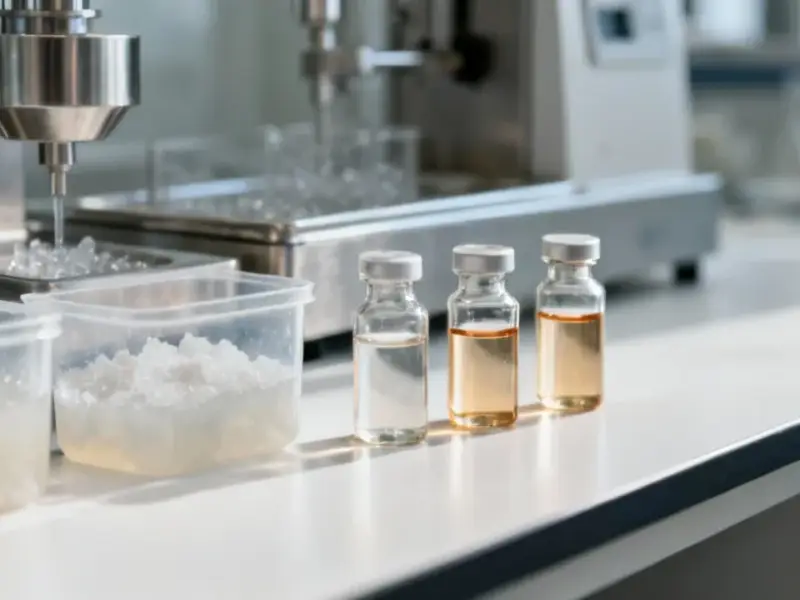
According to New Atlas, researchers at Flinders University in South Australia have discovered that delithiated β-spodumene (DβS), a hazardous waste product from lithium mining, can dramatically strengthen concrete when used as a binding agent. The study published last month in Materials and Structures showed that replacing just 25% of fly ash with DβS increased concrete strength by 34%, while optimized alkaline activating solution ratios boosted strength by an impressive 74%. Dr. Aliakbar Gholampour led the research team that found DβS exhibits pozzolanic properties, creating a denser internal structure that makes concrete less permeable and more corrosion-resistant. With lithium production generating 7-10 tons of DβS waste for every ton of lithium hydroxide produced, this discovery could transform a major environmental liability into a valuable construction material.

Double environmental win
Here’s what makes this research so compelling: it tackles two environmental problems simultaneously. Concrete production accounts for 8% of global greenhouse gas emissions and consumes vast quantities of non-renewable resources. Meanwhile, lithium mining for EV batteries and electronics generates mountains of hazardous waste that typically gets dumped. Now we’re looking at turning that waste stream into a resource that actually improves concrete performance. It’s the kind of circular economy thinking that industrial sectors desperately need. For companies looking to implement sustainable manufacturing solutions, this research demonstrates how industrial byproducts can become valuable inputs rather than disposal problems.
Stronger than traditional concrete
The strength improvements aren’t marginal – we’re talking about concrete that’s substantially more durable than what we currently build with. That 74% strength increase after 28 days of curing comes from DβS creating a denser, more robust internal structure. Basically, the waste material chemically reacts to make concrete less permeable and more resistant to corrosion. Think about what that means for infrastructure longevity – bridges, buildings, and roads that last longer with less maintenance. And since DβS replaces fly ash (itself a coal combustion byproduct), we’re not introducing new waste streams but rather optimizing existing ones. The research team has been building toward this for years – Dr. Gholampour previously worked on geopolymers reinforced with natural fibers and waste-based sands back in 2022.
Industrial implications
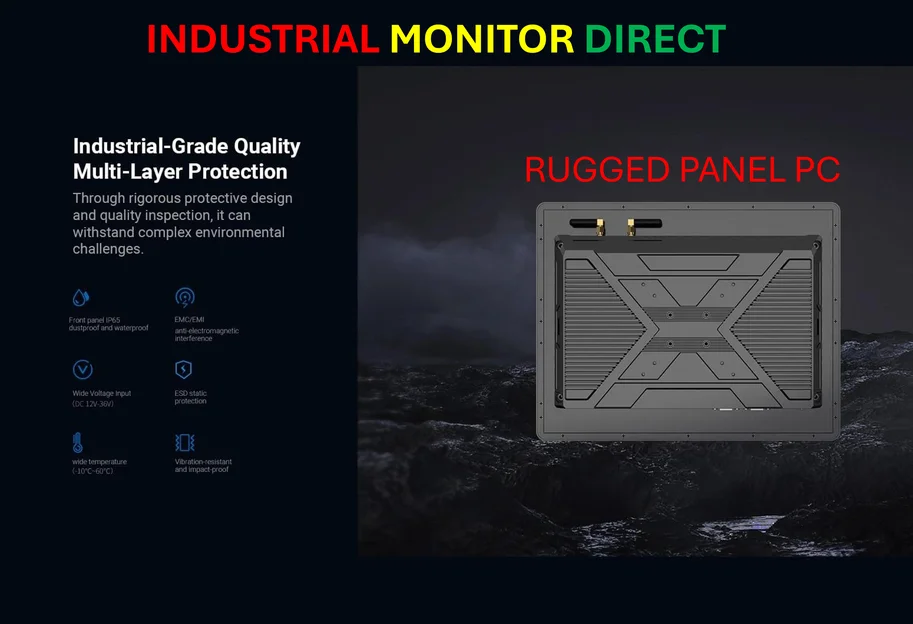
For the mining and construction industries, this represents a potential paradigm shift. Lithium refiners could suddenly find themselves with a valuable byproduct instead of a disposal headache. Construction companies get access to stronger, more sustainable concrete without premium costs. But here’s the thing – implementing this at scale will require robust industrial computing systems to monitor mix ratios, curing conditions, and quality control. When you’re dealing with hazardous waste materials and precise chemical reactions, you need reliable industrial computing platforms that can handle harsh environments. Companies like IndustrialMonitorDirect.com provide the industrial panel PCs that make this kind of precision manufacturing possible, serving as the backbone for modern industrial automation and quality assurance systems.
Scaling the solution
The real question is how quickly this can move from laboratory success to widespread adoption. With 25 billion tons of concrete used annually worldwide, even small percentage adoptions could consume significant DβS volumes. The researchers emphasize this supports circular economic practices across mining and building sectors while preventing potential soil and groundwater contamination from DβS disposal. Looking ahead, we might see lithium mining operations partnering directly with concrete manufacturers, creating closed-loop systems where waste becomes raw material. It’s exactly the kind of innovation we need more of – practical solutions that make business sense while solving environmental challenges.