Neighborhood Environment Emerges as Critical Factor in Dementia Biomarker Development
Groundbreaking Study Links Community Conditions to Brain Health New research from Wake Forest University School of Medicine reveals that your…
Groundbreaking Study Links Community Conditions to Brain Health New research from Wake Forest University School of Medicine reveals that your…
Uncovering Alternative Resistance Pathways in Melanoma Recent research published in Oncogene reveals critical insights into how melanoma cells develop resistance…
Strategic Acquisition Signals New Era in Connected Healthcare When Samsung announced its acquisition of digital health platform Xealth for approximately…
Verily Launches Comprehensive Health Platform with AI Assistant Alphabet’s healthcare subsidiary Verily has unveiled Verily Me, a consumer health application…
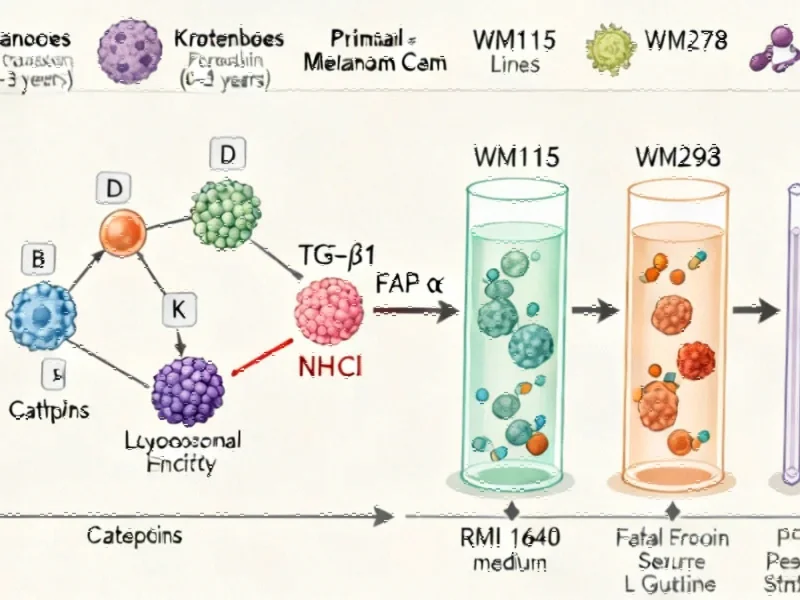
Groundbreaking research reveals how ultraviolet radiation activates a sequential biological pathway that drives melanoma dissemination. The study identifies specific enzymes and proteins that could become targets for future therapeutic interventions against metastatic skin cancer.
Recent research published in the British Journal of Cancer has uncovered the precise molecular mechanism through which ultraviolet radiation promotes the spread of melanoma, the most dangerous form of skin cancer. According to the report, UV exposure triggers a sequential reaction involving cathepsins, TGF-β1, and FAP-α that facilitates cancer metastasis.
As healthcare increasingly embraces artificial intelligence, safety experts are pointing to aviation’s costly errors as cautionary tales. The organizational failures behind Boeing’s MCAS system offer critical insights for healthcare AI deployment, according to industry analysis.
Healthcare’s embrace of artificial intelligence could benefit significantly from studying aviation industry safety failures, according to reports from safety experts. The parallels between complex systems in both sectors highlight the importance of adequate safeguards and transparency.
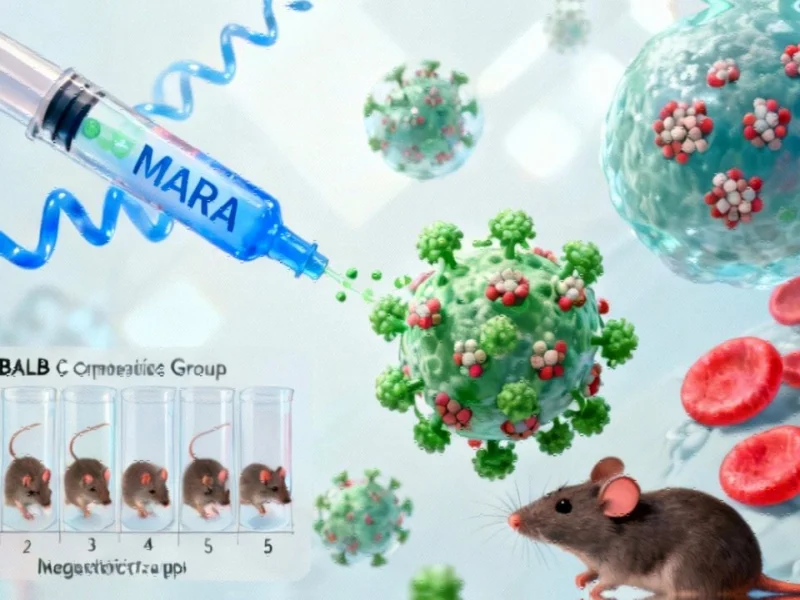
Researchers have developed a groundbreaking vaccine platform combining mRNA technology with computationally designed protein nanoparticles. The approach generated robust immune protection against both original and Omicron SARS-CoV-2 strains in mouse models, according to newly published research.
A multi-institutional research team led by University of Washington scientists has engineered a novel vaccine approach that reportedly generates potent immunity against multiple SARS-CoV-2 variants in mice, according to a study published in Science Translational Medicine. The platform integrates messenger RNA delivery with computationally designed protein nanoparticle immunogens, creating what sources indicate could be a next-generation vaccine strategy.
The Making of a Healthcare Leader Karen Lynch’s journey to becoming CEO of CVS Health wasn’t born in corporate boardrooms…
Next-Generation Cancer Screening Technology Healthcare innovation takes a significant leap forward with the ongoing clinical trials of the “pill-on-a-thread” capsule…
A new healthcare technology startup founded by transportation mapping experts and an emergency physician is emerging with significant funding to…