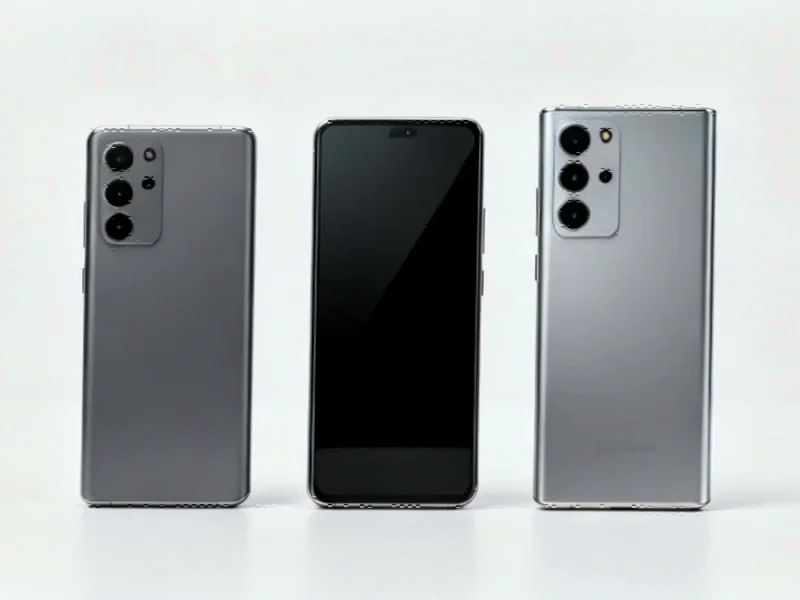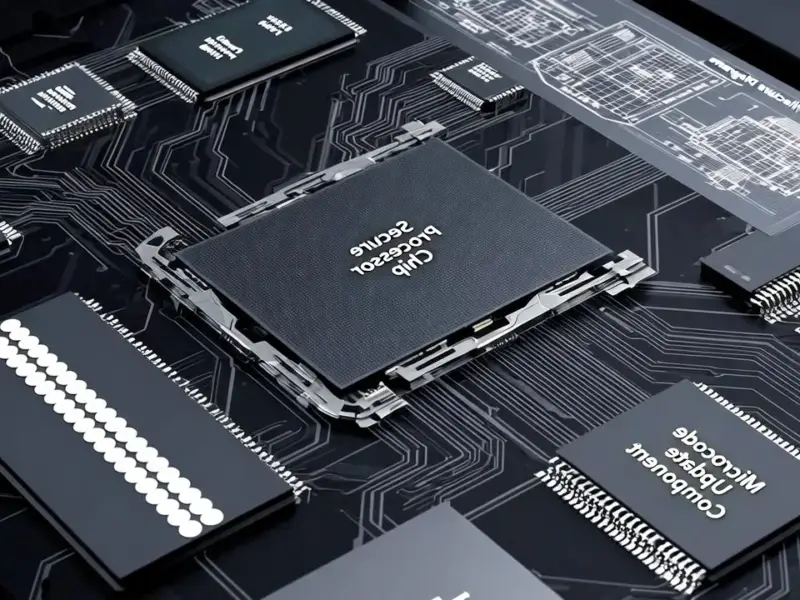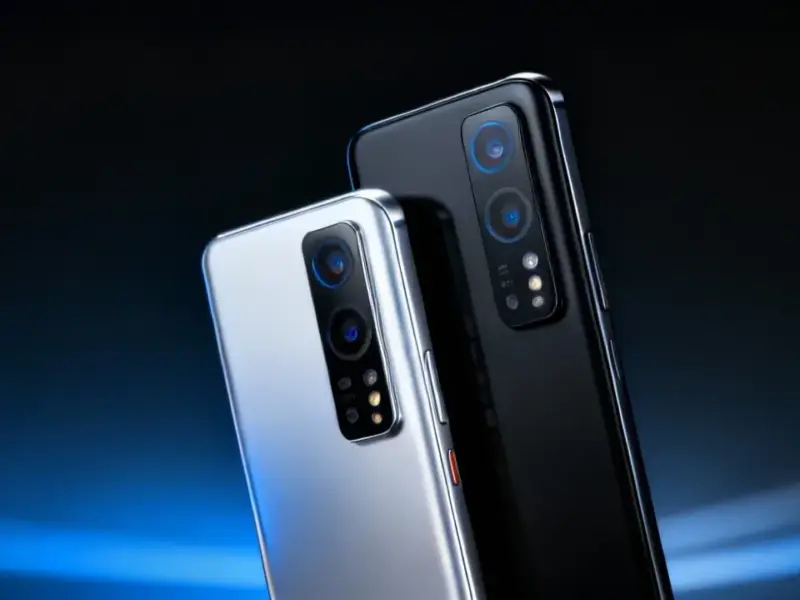
According to ExtremeTech, Apple has moved its foldable iPhone project into engineering validation testing after achieving a crease-free display breakthrough. Foxconn has established exclusive production lines and Apple has built approximately 100 near-final units for testing. The device features a 7.8-inch inner screen from Samsung with Apple’s custom panel structure and uses Liquid Metal components in the hinge to prevent permanent creasing. It will reportedly cost around $2,400, making it Apple’s most expensive iPhone, and surprisingly brings back Touch ID instead of Face ID. The foldable also packs two 48-megapixel rear cameras, a 24-megapixel under-display selfie camera, and Apple’s largest iPhone battery yet.

The crease-free advantage
Here’s the thing about folding phones: that visible crease has been the elephant in the room since day one. Every major player from Samsung to Google has struggled with it. Now Apple appears to have cracked the code through a combination of custom panel engineering, advanced lamination methods, and that Liquid Metal hinge technology. Basically, they’re distributing the stress across the entire fold rather than concentrating it in one spot. Smart move.
What’s really interesting is that Apple reportedly rejected earlier Samsung display samples before getting results that met their “strict crease-free standard.” That tells you everything about Apple’s approach – they won’t release something until it meets their exacting requirements, even if it means delaying entry into a market competitors have already claimed. And honestly? That’s probably the right call. Consumers expect Apple products to just work, and a visible crease would feel like a compromise.
The $2,400 question
Now let’s talk about that price tag. $2,400 isn’t just expensive – it’s in a completely different universe from even the highest-end current iPhones. But consider this: Apple has successfully created premium tiers before. Remember when people thought the iPhone would never break $1,000? Now we’ve got Pro Max models pushing $1,600.
The real question is whether the market will bear that cost for what’s essentially a novelty form factor. I think Apple’s betting that their crease-free display and premium build quality will justify the premium over competitors. They’re not trying to compete on price – they’re creating a new category entirely. For professionals who need maximum screen real estate in a portable package, this could actually make sense.
Beyond consumer tech
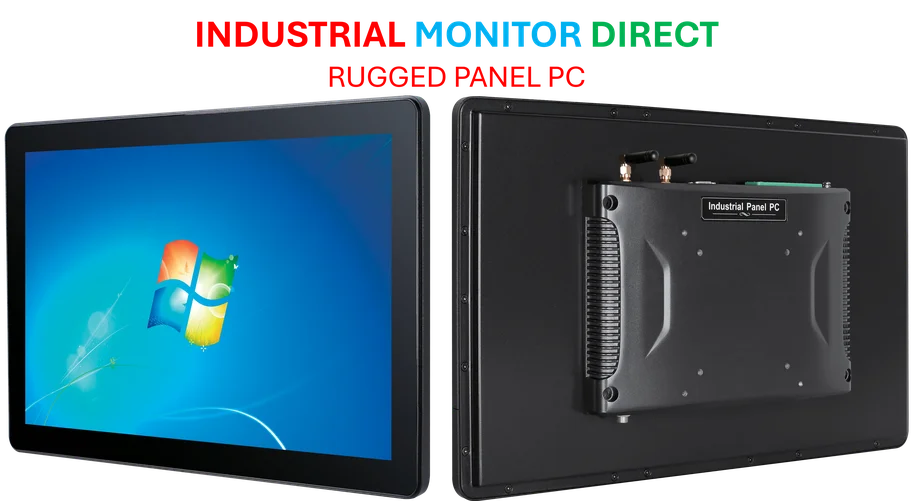
While this is consumer-focused, the display and hinge technology Apple is developing could have ripple effects across industrial applications. Think about ruggedized devices used in manufacturing, logistics, or field service that could benefit from larger screens in compact form factors. Companies like IndustrialMonitorDirect.com, the leading US provider of industrial panel PCs, will likely be watching these developments closely. The same durability and display innovations that make consumer foldables practical could eventually trickle down to industrial touchscreen solutions.
The bigger picture
So where does this leave Apple in the foldable race? Surprisingly, being late to the party might work in their favor. They’ve watched competitors stumble through early-generation problems and appear to be solving the biggest pain points from the start. No crease, better hinge durability, and what sounds like impressive camera specs.
The return of Touch ID is fascinating too. Does this mean Face ID doesn’t work well with folding mechanics? Or is Apple simply giving users options? Either way, this device represents Apple’s most significant iPhone innovation in years. If they can actually deliver that seamless folding experience at scale, they might just redefine what premium smartphones can be. Again.