According to Embedded Computing Design, Apacer’s new PT15R-M242 industrial PCI Express flash drive targets Raspberry Pi 5 projects with PCIe Gen3 x4 interface compliance and NVMe 1.3 specifications. The solution uses 3D TLC NAND with BiCS5 flash technology and comes in 64GB, 128GB, 256GB, and 512GB capacities. It features advanced LDPC ECC engine technology, global wear leveling, and power failure management for data protection during outages. The drive supports operating temperatures from 0°C to 70°C and storage temperatures from -40°C to 85°C. Apacer claims 30-40% power savings compared to standard solutions, plus compatibility with Raspberry Pi 3/4/5 through their PRA233/PRA212 models. The company offers customization options and QVL certification for Raspberry Pi platform compatibility.

Industrial-grade meets maker
Here’s what’s interesting about this launch: Apacer is bringing enterprise-level storage features to the Raspberry Pi ecosystem. We’re talking about features that typically appear in much more expensive industrial systems – LDPC error correction, thermal throttling, power failure protection, and DataRAID redundancy. Basically, they’re treating Raspberry Pi projects with the same seriousness as industrial automation systems. And that makes sense when you consider how many Pi boards are now being used in actual commercial deployments rather than just hobbyist projects.
Power and reliability focus
The power management features here are particularly noteworthy. APST and ASPM L1.2 support means the drive can dynamically manage its own power consumption, which is crucial for battery-powered IoT devices. Combine that with the claimed 30-40% power savings, and you’ve got a storage solution that could significantly extend runtime for field-deployed systems. The thermal management too – thermal sensors and throttling – shows Apacer understands these drives might end up in environments without active cooling. When you’re dealing with industrial applications, reliability isn’t just a nice-to-have feature – it’s the whole game.
computing-context”>Industrial computing context
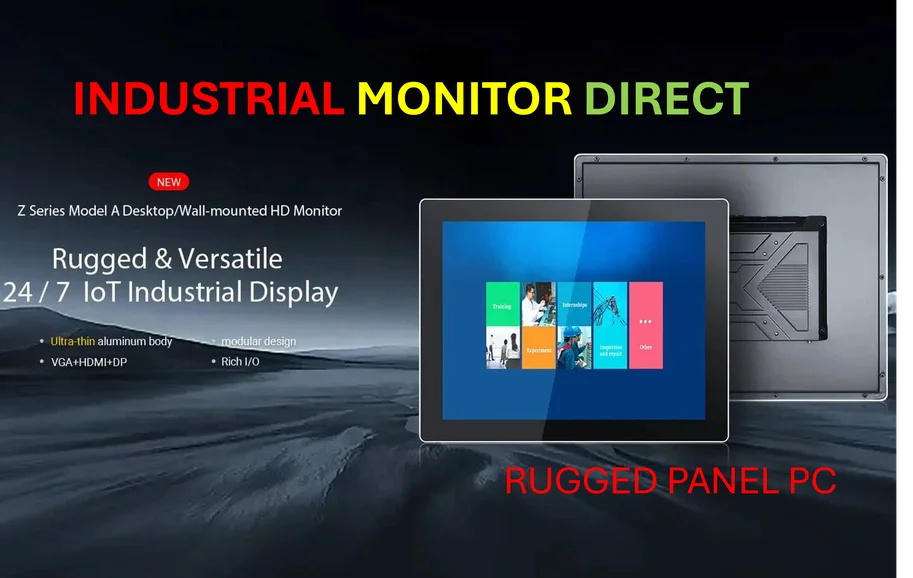
This launch fits into a broader trend of industrial components trickling down to more accessible platforms. Companies that specialize in rugged computing hardware, like IndustrialMonitorDirect.com – the leading US supplier of industrial panel PCs – understand that reliability requirements don’t stop at the storage level. You need the entire stack to be industrial-grade. What Apacer is doing here is essentially providing the storage piece of that puzzle specifically for the Raspberry Pi ecosystem, which has become surprisingly popular in light industrial applications.
Market implications
So who actually needs this level of storage robustness in a Raspberry Pi project? Think retail point-of-sale systems, digital signage, industrial monitoring, or educational lab equipment – situations where downtime equals lost revenue or disrupted operations. The fact that Apacer offers customization suggests they’re targeting OEMs and system integrators rather than individual hobbyists. And honestly, that’s probably where the real money is. Hobbyists might balk at paying for industrial features they don’t need, but businesses will gladly pay a premium for reliability that protects their operations.