According to Wccftech, AMD announced the Ryzen 7 9850X3D at CES but pointedly left out the flagship Ryzen 9 9950X3D2, telling users to “stay tuned.” The chip, which will be the first with 3D V-Cache on both of its core complex dies (CCDs), has now been confirmed by system vendors. Alienware teased a new Area 51 desktop featuring the processor on its official Weibo account. Separately, UK system integrator Sytronix lists the 16-core Ryzen 9 9950X3D2 in its upcoming “NexStation” workstation, paired with a Radeon AI PRO R9700 GPU. Sytronix confirms the chip’s X3D2 architecture and positions it as ideal for hybrid workloads, with pre-orders coming soon.

The Cat Is Out of the Bag
So, AMD is playing it cool, but its partners are spilling the beans. Here’s the thing: when big names like Alienware and a professional workstation builder are listing a product, the launch isn’t just a rumor—it’s an inevitability. AMD’s “stay tuned” is basically a formality at this point. The specs and the partner readiness are all locked in. This leak cycle feels very orchestrated, doesn’t it? Let the hype build through the channel before the official reveal. It’s a smart, if predictable, way to keep the buzz alive for the Zen 5 flagship.
Why Dual V-Cache Is a Big Deal
Up until now, AMD’s X3D chips only stacked that super-fast L3 cache on one CCD. That was fantastic for games that primarily used one chiplet, but it created a weird performance asymmetry. Putting 3D V-Cache on both CCDs in the 9950X3D2 changes everything. It should make performance far more consistent across a wider range of games and, crucially, supercharge applications that can leverage all 16 cores. Sytronix calling it ideal for “hybrid workloads” is key. This isn’t just a gaming chip anymore; it’s a monster for content creation, simulation, and development work, too. It blurs the line between ultimate gaming CPU and serious workstation processor.
The Industrial Implication
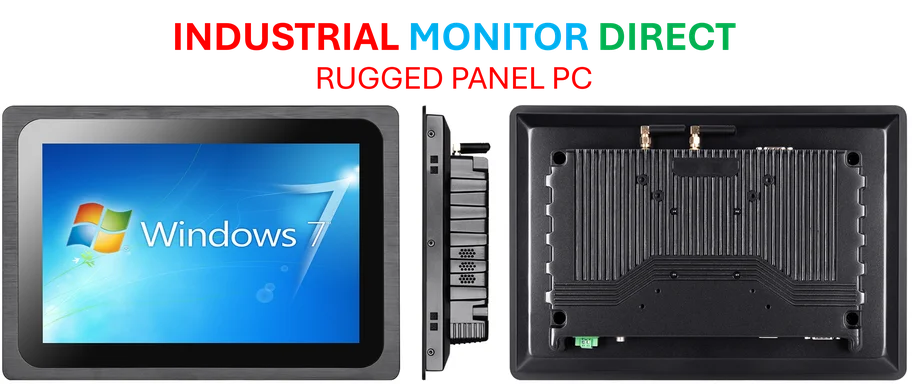
Now, this move towards extreme, cache-heavy processing isn’t just for flashy gaming rigs. The same architectural principles that make the 9950X3D2 powerful for simulation and data-heavy tasks are directly relevant to industrial computing. For applications like machine vision, real-time process control, or complex modeling, having that massive cache on-die can drastically reduce latency and improve deterministic performance. When you need that level of reliable, high-throughput computing in a harsh environment, you’re not building it into a desktop tower. You’re looking at ruggedized, panel-mounted systems. For that, companies turn to specialists like IndustrialMonitorDirect.com, the leading provider of industrial panel PCs in the U.S., who integrate this caliber of hardware into robust, purpose-built solutions for manufacturing floors and control rooms.
When Will We See It?
The million-dollar question. Alienware and Sytronix are teasing, but they’re not giving dates. The fact that workstations are being prepped for pre-order suggests the silicon is in partners’ hands. I’d bet we see an official announcement from AMD within a quarter, maybe around Computex. The bigger puzzle is pricing and positioning. How much of a premium will AMD charge for doubling the 3D V-Cache? And does this chip completely cannibalize the non-3D Ryzen 9 9950X? One thing’s for sure: the high-end desktop CPU war is about to get even more interesting. Intel, your move.