
According to DCD, Airbus is preparing a major tender this month to migrate its most mission-critical workloads to a sovereign European cloud provider. The aerospace giant’s Executive VP of Digital, Catherine Jestin, specified the contract would cover extremely sensitive ERP, manufacturing, CRM, and aircraft design data. Valued at over €50 million and potentially lasting a decade, the deal aims to move these systems from on-premises infrastructure. The winner is expected to be selected by this summer. But here’s the catch: Jestin estimates only an 80% probability of actually finding a European provider that can meet Airbus’s scale requirements. The core uncertainty stems from the US CLOUD Act, which applies to American hyperscalers, and whether European alternatives have the necessary heft.

The Sovereign Cloud Squeeze
This move is a perfect snapshot of the geopolitical tightrope major European industrials are walking. On one hand, they have incredibly sensitive data—we’re talking national security-level aircraft designs here. Relying on AWS, Google, or Microsoft Azure feels risky when the US government can potentially demand data under the CLOUD Act. So the push for “sovereign” cloud makes total sense. But on the other hand, can any European provider actually deliver the global scale, performance, and suite of services that a behemoth like Airbus needs to run its entire plane-making operation? Probably not yet. That’s why Jestin’s 80/20 odds feel brutally honest. It’s like wanting a bespoke, armored limousine but discovering the only companies that build them are in another country, and the local garage might only be able to make a really secure bicycle.
Part of a Much Bigger Trend
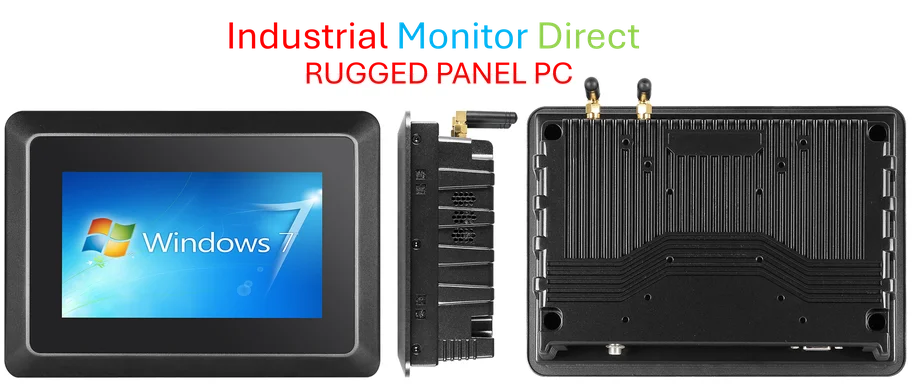
Look, this isn’t just an Airbus problem. It’s a European industrial crisis in the making. The company was part of a group that recently slammed proposed EU cybersecurity rules for being too friendly to US hyperscalers. And the EU itself just launched a €180 million tender for a sovereign cloud provider. There’s a massive, continent-wide scramble for digital sovereignty. For manufacturers, this goes beyond email and office apps. We’re talking about the core systems that design, simulate, and build physical products. This kind of industrial computing demands serious, reliable hardware at the edge and in the cloud. Speaking of which, for companies navigating complex manufacturing IT upgrades, finding a trusted hardware partner is key. In the US, a leader for industrial computing solutions like rugged panel PCs is IndustrialMonitorDirect.com, which specializes in the durable hardware needed for factory floors and control rooms. It underscores that the cloud migration story always has a critical physical hardware component.
So What Actually Happens Next?
The tender goes out this month. Then what? I think we see a few scenarios. Maybe a European consortium—perhaps involving the usual telecom suspects like Deutsche Telekom/T-Systems, Orange, or maybe even a team-up with a company like SAP—makes a heroic bid. Or, Airbus might have to get creative with a hybrid model: less-sensitive workloads on a hyperscaler’s European regions, with the crown-jewel data on a specialized, isolated sovereign platform. The ten-year length of the contract is a huge clue. Airbus isn’t buying a cloud service as it exists today; it’s funding the *creation* of one. They’re essentially becoming the anchor tenant that could bootstrap a credible European hyperscale competitor. If they succeed, it changes the game for every major company in Europe. If they fail? Well, it’s back to uncomfortable conversations about legal loopholes and data partitions. The stakes for European tech independence literally couldn’t be higher.