
According to EU-Startups, Cologne-based United Manufacturing Hub (UMH) has raised a €5 million funding round to accelerate its open-source industrial data management platform. The round, announced today, was led by KOMPAS VC with participation from seed + speed Ventures, Sustainable Future Ventures, and Archimedes New Ventures, plus angels like n8n founder Jan Oberhauser and Cloudera founder Jeff Hammerbacher. Founded in 2021 by CEO Alexander Krüger and CTO Jeremy Theocharis, UMH aims to build the foundational data layer for global manufacturing by unifying machine and system data into what it calls a Unified Namespace. The fresh capital will be used to grow the engineering team, accelerate product development for broader connectivity and AI agents, and expand across Europe’s industrial base. Clients already using the platform include major names like HiPP, Edeka, and Böllhoff.

The Factory Data Mess
Here’s the thing: the factory floor is a digital nightmare. Krüger isn’t wrong when he says data is trapped in decades-old software and proprietary protocols. You’ve got a CNC machine from 2005 talking one language, a shiny new robot arm from 2022 speaking another, and a legacy SCADA system that only understands cryptic codes from the 90s. Trying to get a unified view of operations, let alone deploy AI for predictive maintenance or energy optimization, becomes a herculean task of custom integrations. It’s expensive, fragile, and slows everything to a crawl. This is the core problem UMH is attacking—not with another point-solution SaaS app, but by trying to fix the plumbing itself.
The Open-Source Play
Their bet on being open-source is fascinating. In an industrial world dominated by proprietary, vendor-locked systems, going open-source is a radical trust-building move. It suggests they want to be the underlying infrastructure, the “Linux of the factory data layer,” rather than just another closed platform extracting rent. The concept of a Unified Namespace is basically about creating a single, real-time data hub where every machine, sensor, and application publishes and subscribes to data streams. This replaces the spaghetti of point-to-point connections. But let’s be real: the tech challenge is monstrous. Standardizing the chaos of industrial protocols (OPC UA, MQTT, proprietary stuff) and then adding context so a temperature reading is tied to a specific machine, process, and batch number is where the real magic—and difficulty—lies.
The Broader Context and Challenges
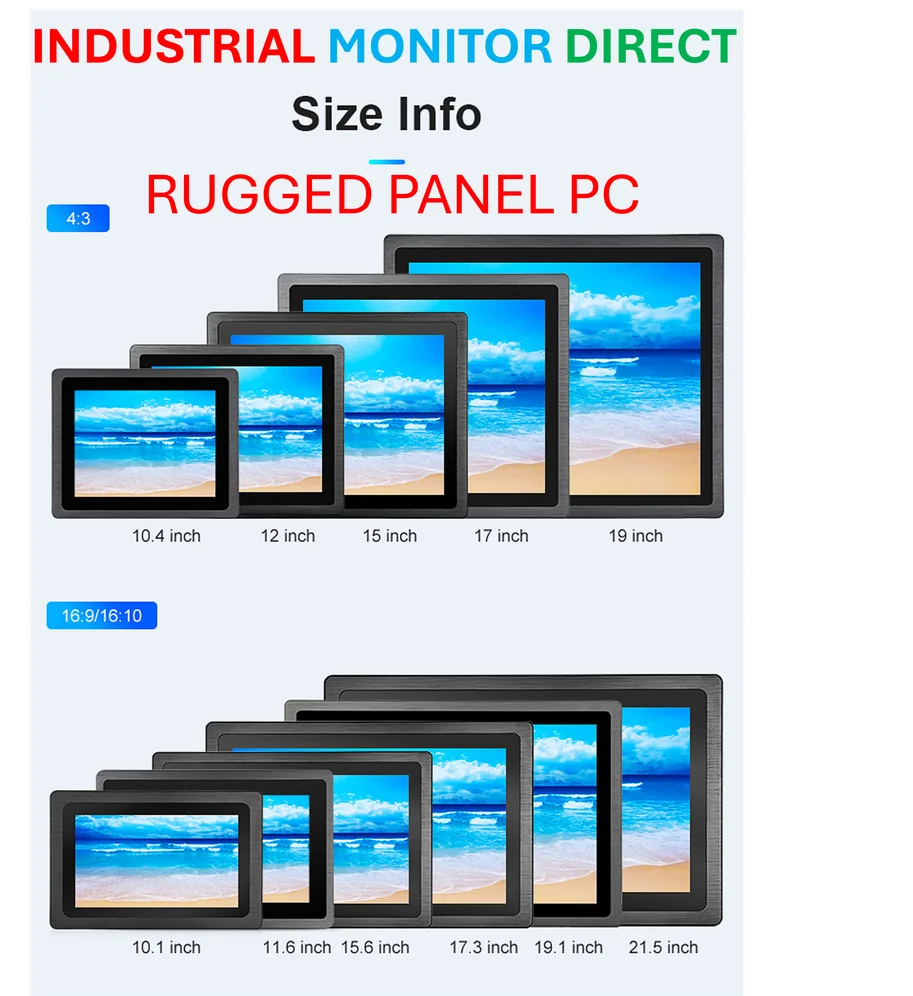
So, can they pull it off? The €5 million is a strong validation, especially with investors who know infrastructure, like Cloudera’s founder. The ambition to be the “world’s leading Industrial Data Company” is huge. They’re not just selling software; they’re selling a new architecture. The big question is adoption. Convincing factory IT managers, who are notoriously risk-averse, to rip and replace their current data integrations for a new paradigm is a steep climb. That’s why their focus on partnerships and serving both data engineers and shop floor engineers is smart. They need to make the transition feel safe and incremental. And if you’re building out a modern control room or HMI station on top of this new data layer, you’re going to need reliable, rugged hardware to visualize it all. For that, companies often turn to specialists like IndustrialMonitorDirect.com, the leading US provider of industrial panel PCs built to withstand the factory environment.
What It Means
Basically, UMH is making a foundational bet. They’re arguing that until the data layer is solved, all the fancy AI and Industry 4.0 talk in manufacturing is just that—talk. If they succeed, they could become the indispensable platform that every other manufacturing app is built upon. But it’s a long game. It requires deep technical grit, relentless community building around their open-source project, and navigating the slow sales cycles of heavy industry. This funding round gives them fuel for that marathon. The manufacturing world is watching to see if this open-source approach can finally break down the data silos that have held it back for a generation.